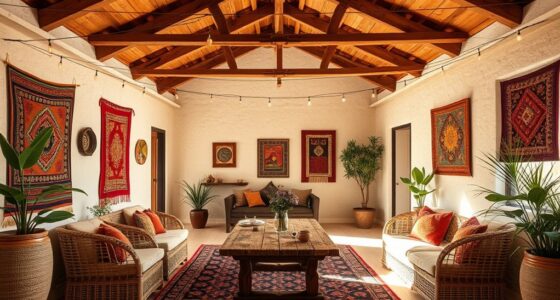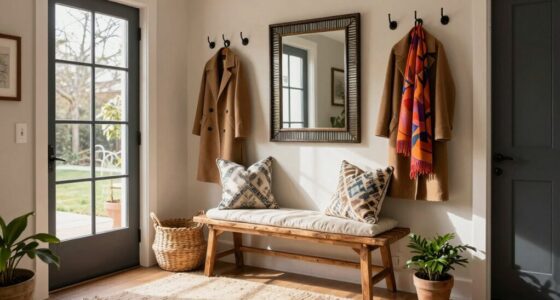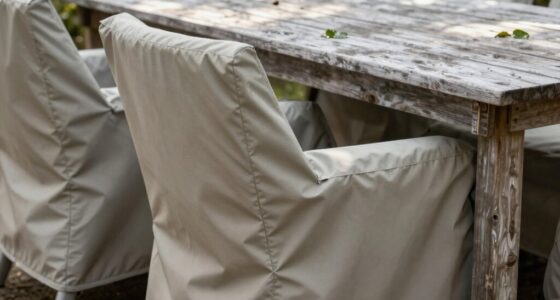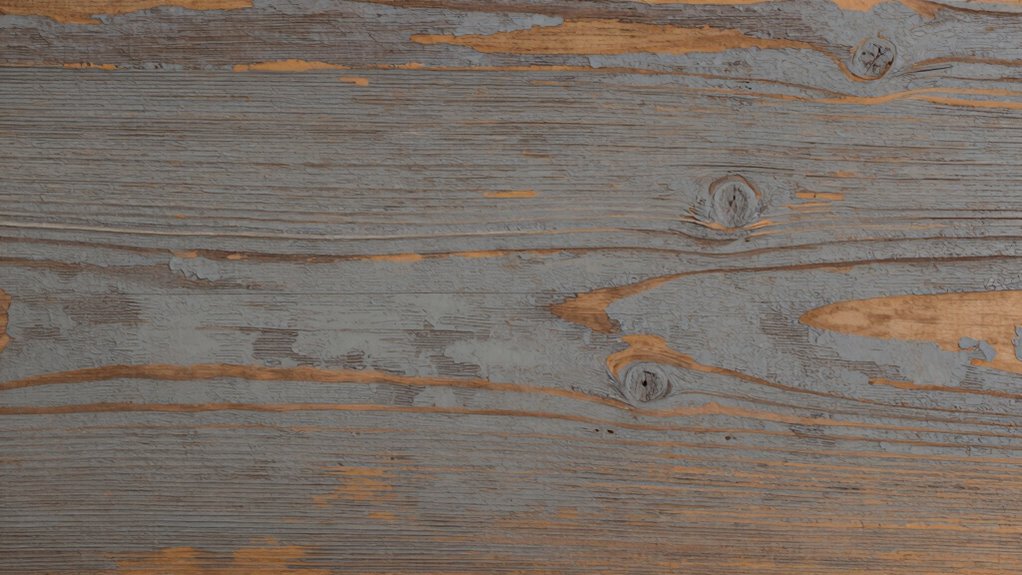
To get the reclaimed wood look without buying actual reclaimed wood, you can use alternative materials like textured laminates, vinyl, or engineered panels that mimic weathered surfaces. DIY techniques like sanding, staining, or painting new wood can also create that vintage charm. Many of these options are eco-friendly and more affordable, often made from recycled or sustainable sources. If you’re curious about more ways to achieve this style sustainably, there’s plenty to explore.

Get your wardrobe favorites delivered free with Prime
- Fast, free delivery on millions of items
- Prime Video, Amazon Music and more included
- Member-only deals all year
Key Takeaways
- Use textured laminate or vinyl panels designed to mimic weathered reclaimed wood for an authentic look.
- Apply DIY distressing techniques like sanding and staining to new wood for a vintage, weathered appearance.
- Incorporate recycled or sustainably sourced materials in your projects to achieve eco-friendly reclaimed aesthetics.
- Opt for engineered wood products with distressed finishes that replicate aged wood’s character and charm.
- Combine faux reclaimed panels with recycled or reclaimed accents for a sustainable, cohesive vintage-inspired design.
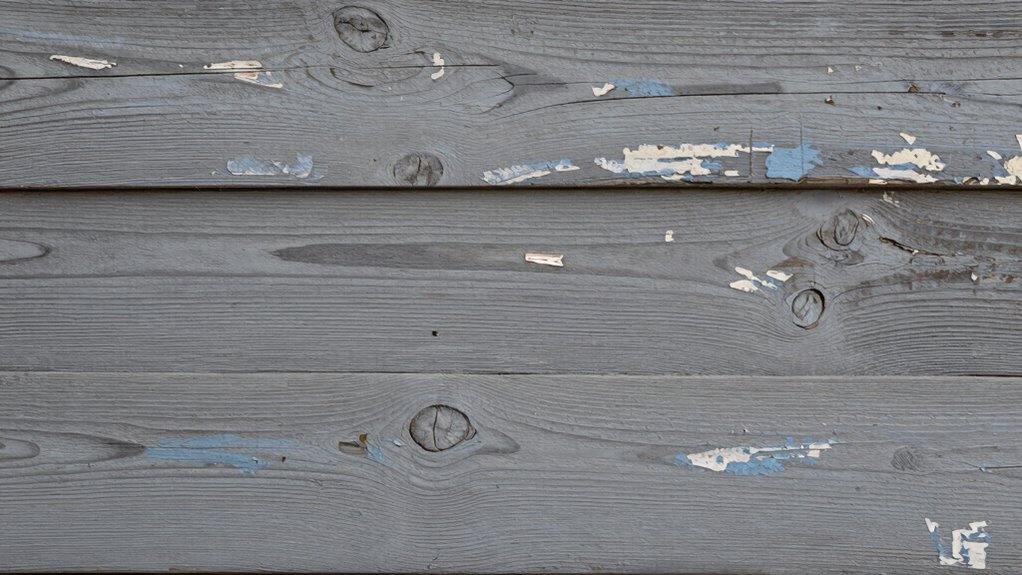
Reclaimed wood look has become a popular choice for homeowners seeking rustic charm without sacrificing sustainability. You’re probably drawn to its vintage aesthetics, which bring warmth and character into any space. But sourcing authentic reclaimed wood can be challenging, often expensive, and sometimes inconsistent in quality. Luckily, you don’t have to track down authentic reclaimed wood to achieve that same timeless appeal. Instead, you can opt for alternative methods that mimic the look while maintaining a focus on sustainable sourcing. This approach allows you to enjoy the vintage charm without contributing to deforestation or waste.
One effective way to get the reclaimed wood look without buying genuine reclaimed wood is to choose high-quality, engineered products designed to replicate the appearance of aged wood. Many manufacturers craft laminate, vinyl, or composite panels with textured surfaces that resemble weathered planks, complete with knots, grain variations, and distressed finishes. These materials often come from sustainable sources, such as recycled content or responsibly managed forests, so you’re supporting eco-friendly practices even when you’re not purchasing authentic reclaimed wood. Many of these products are also easy to install and maintain, making them a practical choice for DIY projects or quick renovations.
Choose engineered, textured panels made from recycled or sustainable materials for authentic reclaimed wood aesthetics.
Another option is to use laminate or vinyl flooring that features vintage aesthetics, mimicking the look of old barn wood or weathered hardwood. Modern printing techniques allow manufacturers to create realistic textures and patterns that fool the eye. When you select these options, look for brands that prioritize sustainable sourcing, such as those that use recycled materials or certified wood sources. These choices enable you to achieve that sought-after aged appearance while being environmentally conscious. Plus, they’re often more affordable than reclaimed wood and offer greater consistency in color and pattern, giving you a uniform look that’s hard to beat.
If you’re into DIY projects, consider distressing new wood to emulate vintage aesthetics. You can sand, stain, and paint fresh lumber to give it an aged, weathered look. This method allows you to control the process, ensuring your project aligns with sustainable sourcing principles by using responsibly harvested wood. Additionally, you can incorporate reclaimed or recycled materials into your design for accents, creating a mixed-media aesthetic that’s both eco-friendly and visually appealing. Emphasizing sustainable sourcing practices when selecting materials ensures your project remains environmentally responsible from start to finish.
As an affiliate, we earn on qualifying purchases.
Frequently Asked Questions
Can I Achieve the Reclaimed Wood Look With Paint Only?
Yes, you can achieve the reclaimed wood look with paint only. Use paint techniques like dry brushing and sponging to mimic wood grain and texture. Faux finishes, such as distressing or layering different shades, help create authentic-looking weathered wood. With patience and the right tools, you’ll make your surfaces look aged and rustic without purchasing reclaimed wood, saving money while enhancing your space’s charm.
How Long Does a Faux Reclaimed Wood Finish Last?
Ever wonder how long a faux reclaimed wood finish holds up? It can last several years if you use high-quality paint and proper sealing, ensuring good wood durability and finish longevity. Think about it—won’t you want your space to look authentic and withstand daily wear? With proper care, your faux reclaimed wood can maintain its charm for years, making it a smart, stylish choice that endures.
Is It Safe to Use Reclaimed Wood Look Products Around Children?
Yes, using reclaimed wood look products around children is generally safe, but you should check for child safety and guarantee they’re free of toxic chemicals. Many faux finishes and laminate options are non-toxic and low-VOC, making them a good choice for homes with kids. Always read labels, choose products specifically designed with child safety in mind, and ensure proper ventilation during application to minimize any potential risks.
Can I Customize the Color and Texture of Faux Reclaimed Wood?
You can definitely customize the color and texture of faux reclaimed wood. In fact, over 60% of homeowners prefer personalized finishes to match their decor. With color customization options, you can choose shades that suit your style, and texture options allow you to replicate the rough or smooth feel of real reclaimed wood. This flexibility makes it easy to create a unique, authentic look tailored specifically to your space.
Are There Eco-Friendly Options for Creating the Reclaimed Wood Appearance?
Yes, you can choose eco-friendly finishes and sustainable materials to create a reclaimed wood appearance. Look for recycled or sustainably sourced wood, bamboo, or cork, which are renewable options. Use non-toxic, water-based stains and finishes to enhance the look without harming the environment. These eco-friendly choices help you achieve the rustic, aged look while supporting sustainability and reducing your carbon footprint.
Conclusion
So, who knew you could get that charming reclaimed wood look without hunting down old pallets or paying a premium? Turns out, all it takes is a little creativity and some clever finishing techniques. It’s almost funny—you’re saving time, money, and the environment, all while achieving that sought-after rustic vibe. So go ahead, fake it ‘til you make it; sometimes, the best things in design are just a clever trick away.
Halloween Picks
halloween
As an affiliate, we earn on qualifying purchases.