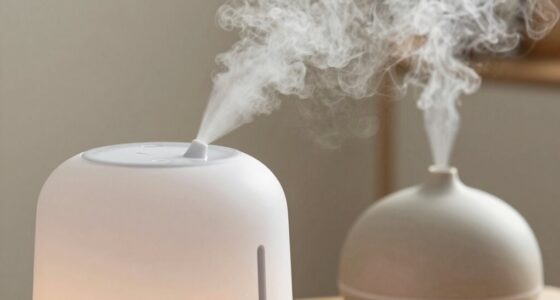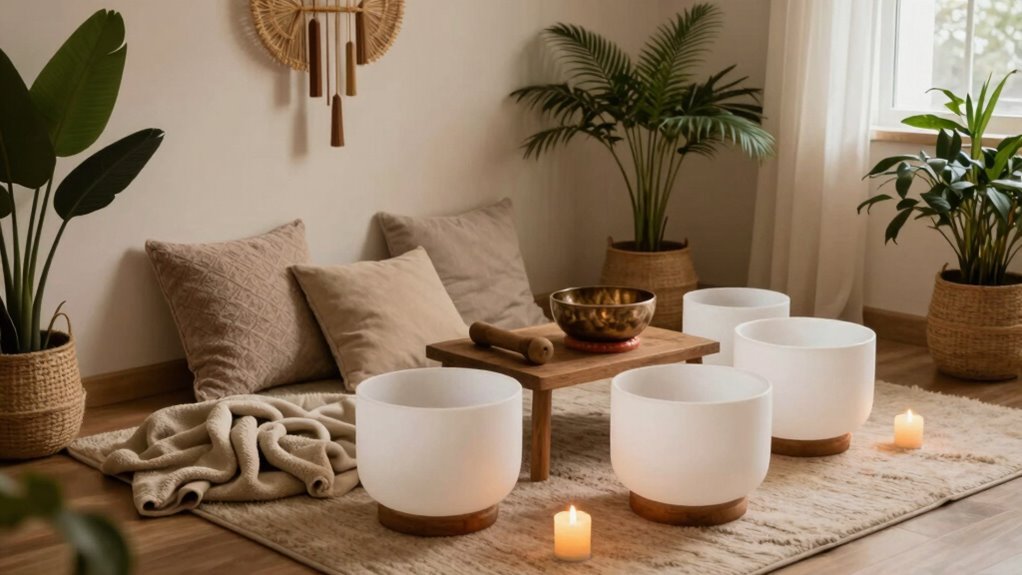

To build a sound bath corner at home without making it feel weird, choose a quiet, cozy spot with soft lighting and comfortable seating. Keep the setup simple with calming artwork, natural materials, and easy-to-use instruments like singing bowls or recorded sounds. Incorporate gentle breathing or meditation to enhance relaxation. Focus on creating a personal sanctuary that fosters calm and presence. If you keep exploring, you’ll discover more ways to make your space truly inviting.

Get your wardrobe favorites delivered free with Prime
- Fast, free delivery on millions of items
- Prime Video, Amazon Music and more included
- Member-only deals all year
Key Takeaways
- Choose a quiet, cozy corner with comfortable seating and soft lighting to create a relaxing atmosphere.
- Keep the space simple and inviting, adding calming artwork or plants for tranquility.
- Use simple sound tools like singing bowls or recorded sound baths that resonate personally.
- Incorporate breathing exercises or gentle meditation during sessions to enhance relaxation.
- Dedicate a few minutes daily, maintaining a distraction-free environment to turn it into a calming self-care routine.
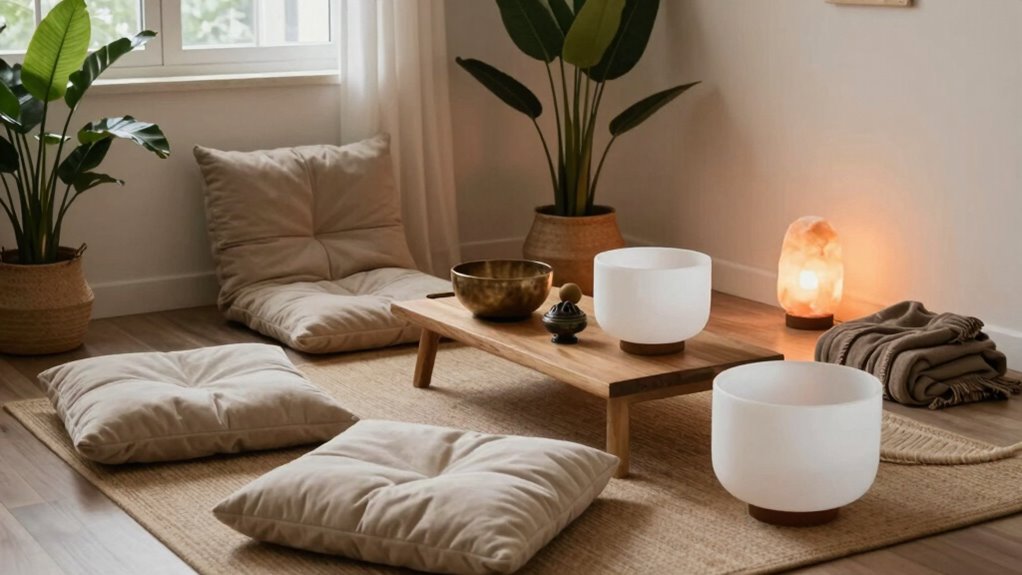
Creating a dedicated sound bath corner at home is a simple way to incorporate relaxation and mindfulness into your daily routine. Setting up a space specifically for sound therapy allows you to enjoy the benefits of calming sounds and vibrations, helping you unwind after a hectic day or start your mornings with clarity. The key is to keep the setup straightforward and inviting, avoiding any sense of pretension that might make it feel awkward or uncomfortable. Focus on creating a cozy environment that encourages you to pause, breathe, and be present.
Create a cozy, simple space at home to enjoy calming sound baths and mindfulness daily
Start by choosing a quiet corner where you won’t be disturbed. A corner with minimal foot traffic helps maintain the serenity of your space. Add a comfortable seat or cushion, so you can sit upright or lie down comfortably during your sound sessions. Keep the lighting soft—perhaps with a small lamp or candles—so the atmosphere feels warm and inviting rather than clinical. Incorporate elements like blankets or rugs to make the space feel cozy, and consider adding personal touches like calming artwork or plants to enhance the sense of tranquility. Using natural materials in your setup can further promote relaxation and harmony with your environment.
When it comes to sound therapy, the tools you choose matter. You don’t need elaborate equipment—simple singing bowls, tuning forks, or even recorded sound baths work perfectly. If you decide to use recorded sounds, pick high-quality recordings that resonate with you. The idea is to create a space where you can practice relaxation techniques that help reduce stress and promote mental clarity. Focus on breathing exercises, gentle meditation, or mindful listening during your sessions. The goal isn’t to make it feel like a performance but to turn it into a calming ritual that fits seamlessly into your daily life.
Consistency is key. Dedicate a few minutes each day to your sound bath corner, whether it’s in the morning to set a peaceful tone for the day or in the evening to wind down. Over time, this space becomes a sanctuary—a refuge for self-care and mindfulness. There’s no need to overthink or make it overly elaborate; simplicity often enhances the effect. Remember, the environment should be free of distractions to maximize relaxation. With a little effort, your sound bath corner will become a treasured part of your routine, helping you harness the power of sound therapy and relaxation techniques to cultivate a calmer, more centered life.
Popular right now

Ninja AF101 4-Quart Air Fryer, 4-in-1, Grey

Roborock Qrevo 2 Pro Robot Vacuum and Mop, 20,000 Pa Suction

Ninja Air Fryer XL with MaxCrisp, 6.5 Qt, 6-in-1, Dark Grey (AF181)
As an affiliate, we earn on qualifying purchases.
Frequently Asked Questions
Can I Use Everyday Household Items for Sound Bath Sounds?
Yes, you can definitely use household items for DIY instruments to create soothing sound bath sounds. Items like metal spoons, glass jars, or water-filled glasses produce calming tones when struck or rubbed. You might also try tapping bowls or using a hairbrush on a metal surface. These household items help you craft a relaxing sound bath corner at home without making it weird, making your space more peaceful and personalized.
How Do I Prevent Noise From Disturbing Others During Practice?
Imagine your sound bath as a gentle ripple in a pond—calm and contained. To prevent noise from disturbing others, use soundproofing techniques like rugs, heavy curtains, and draft stoppers. Noise-canceling methods, such as white noise machines or headphones, help create a peaceful space. Keep your practice at a considerate volume, especially during quiet hours, so your soothing sounds only uplift your environment without causing disruptions.
Is There an Ideal Time of Day to Enjoy a Sound Bath?
The best time to enjoy a sound bath is during your daily routines when you can fully relax, like early mornings or evenings. Timing considerations matter because you want a quiet, undisturbed environment. Choose a time when your mind is calm and free from distractions, ensuring you get the most benefit. Incorporate it into your daily schedule so it becomes a calming, consistent part of your self-care routine.
Can Children Participate Safely in a Home Sound Bath?
Of course, children can participate safely in a sound bath, but only if you prioritize child safety and recognize sound sensitivity. Keep volumes gentle, avoid overly loud instruments, and monitor your kid’s comfort levels. If they seem overwhelmed or distressed, it’s time to hit pause—because nothing says ‘fun’ like a meltdown amid soothing sounds. Remember, their peace of mind matters more than a perfect, unbothered ambiance.
What Are Some Affordable Alternatives to Professional Sound Healing Tools?
You can explore budget-friendly options like DIY instruments, such as filling jars with water for varied tones or using wooden spoons as mallets. Bell chimes, tuning forks, or even simple drums made from household items also work well. These alternatives are affordable, easy to find, and create soothing sounds, making your home sound bath more accessible without needing expensive professional tools. Plus, they add a personal touch to your relaxation space.
Conclusion
Creating your sound bath corner is like planting a peaceful garden in your home. With a few simple pieces and a cozy space, you can cultivate daily tranquility without any fuss or weirdness. Think of it as your personal oasis, a gentle retreat where stress melts away like snow in spring. So go ahead, set it up, and let the soothing sounds become your daily melody of calm. Your sanctuary awaits—peace is just a breath away.