
Choosing slow fashion and secondhand shopping as a lifestyle means making mindful choices that benefit the planet and support fair labor practices. You focus on buying quality, durable pieces, often opting for pre-loved items, which reduces waste and discourages fast, disposable fashion. This conscious approach not only helps the environment but also reflects your values of responsibility and ethics. To discover how this shift can transform your wardrobe and impact the world, keep exploring.
Key Takeaways
- Embraces mindful consumption by prioritizing quality, durability, and ethical production over fast fashion trends.
- Extends garment lifespan and reduces waste through secondhand shopping, supporting a circular economy.
- Promotes environmental sustainability by choosing sustainable materials and supporting brands with transparent, ethical practices.
- Encourages a cultural shift towards responsible fashion choices that reflect personal values and social responsibility.
- Fosters long-term investment in fewer, better pieces, contributing to a more sustainable and respectful fashion industry.
In recent years, slow fashion and secondhand shopping have gained popularity as sustainable alternatives to fast fashion. You’re likely aware that fast fashion encourages mass production, cheap materials, and quick turnover, but slow fashion challenges that model by emphasizing quality, longevity, and mindful consumption. When you choose to shop sustainably, you prioritize sustainable materials—such as organic cotton, hemp, or recycled fabrics—that minimize environmental impact and reduce waste. These materials are often produced using ethical production practices, meaning workers are paid fairly, work in safe conditions, and are treated with respect. By supporting brands committed to ethical production, you help promote transparency and accountability in the fashion industry, making it less driven by exploitation and environmental harm.
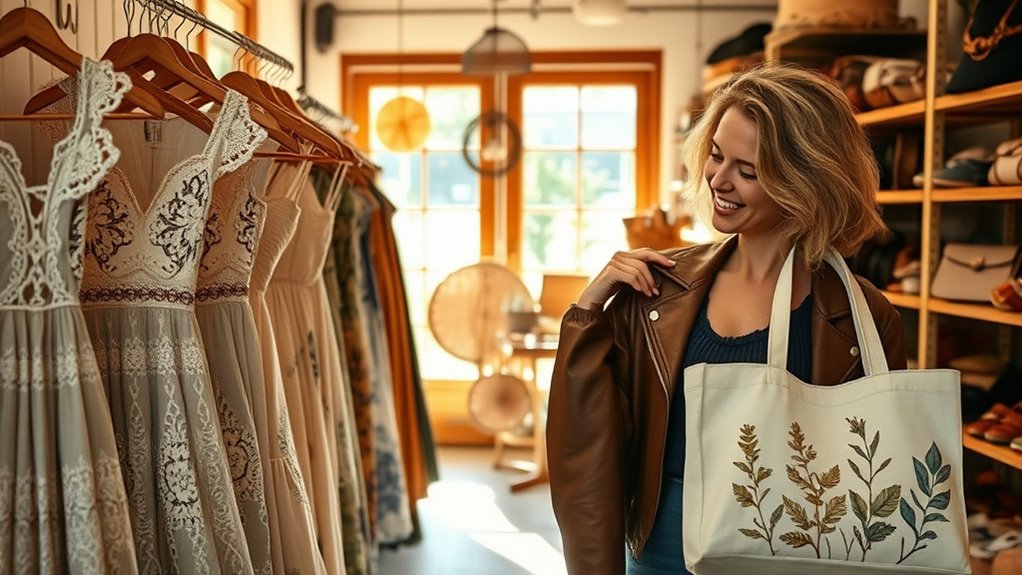
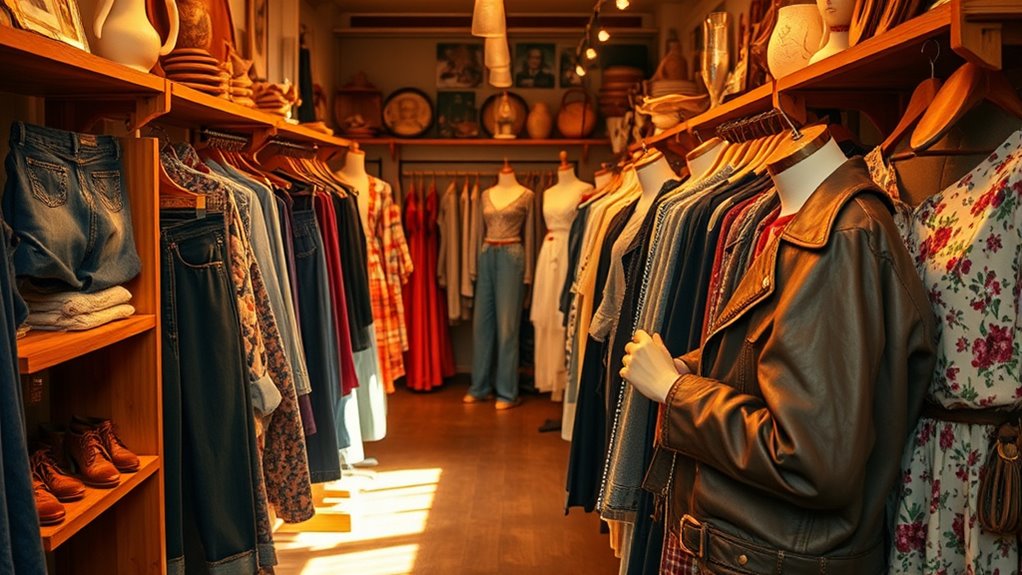
When you opt for secondhand shopping, you extend the lifespan of garments and reduce the demand for new production. Thrift stores, online marketplaces, and vintage shops offer unique pieces that often have a story behind them, adding character and individuality to your wardrobe. This approach sidesteps the cycle of fast fashion, which encourages consumers to buy cheap, trendy items that quickly fall out of fashion or wear out. Instead, you embrace quality and durability, buying pieces designed to last, which aligns with the principles of slow fashion. You’re not just saving money; you’re making a statement about your values and commitment to sustainability.
Furthermore, slow fashion and secondhand shopping foster a circular economy, where clothes are reused and recycled rather than discarded. This reduces textile waste in landfills and cuts down on pollution caused by manufacturing processes. When you choose secondhand or slow fashion brands that prioritize sustainable materials and ethical production, you’re actively participating in a movement that values environmental stewardship and social responsibility. It’s about making thoughtful choices—investing in fewer, better pieces rather than succumbing to the fast-paced, disposable nature of mainstream fashion.
Your lifestyle becomes a reflection of these values, encouraging others to think differently about their consumption habits. Over time, this shift can influence brands to adopt more sustainable practices, creating a ripple effect that benefits the planet and workers worldwide. In the end, embracing slow fashion and secondhand shopping isn’t just about saving money or finding unique clothes; it’s a conscious decision to support a more ethical, sustainable fashion system. You’re helping craft a future where fashion is about quality, responsibility, and respect for the people and planet behind each garment.
Frequently Asked Questions
How Does Slow Fashion Impact Local Economies?
Slow fashion boosts local economies by supporting local craftsmanship and small-scale producers. When you choose slow fashion, you help sustain local artisans and keep money within your community. This encourages economic resilience, making local markets more stable and diverse. You play a crucial role in fostering a sustainable economy, ensuring that local talent and resources thrive, which benefits everyone in your community and promotes lasting economic growth.
Are Secondhand Clothes Ethically Sourced?
They say “trust but verify,” and that’s true for secondhand clothes too. While many are ethically sourced, you should always check for authenticity verification to confirm they’re free from unethical practices. Some sellers prioritize ethical sourcing, but others might not. So, it’s your job to ask questions, research brands, and buy from trusted sources to make sure your secondhand finds are genuinely ethical.
How Can I Start a Sustainable Wardrobe on a Budget?
To start a sustainable wardrobe on a budget, focus on clothing durability by choosing quality pieces that last. Shop secondhand or thrift stores for budget-friendly tips, and look for versatile items you can mix and match. Repair or repurpose clothes you already own to extend their life. Prioritize timeless styles over trends, and set a clothing budget to avoid impulse purchases, ensuring your wardrobe remains eco-friendly and affordable.
What Are the Environmental Benefits of Secondhand Shopping?
Secondhand shopping reduces your carbon footprint and promotes textile recycling, making a significant environmental impact. While fast fashion fuels waste and pollution, buying used clothes extends their life and prevents textiles from ending up in landfills. You help conserve resources, lower greenhouse gas emissions, and support sustainable practices. By choosing secondhand, you actively participate in a cycle of reuse, turning discarded garments into valuable, eco-friendly fashion.
How Does Slow Fashion Influence Fashion Trends?
Slow fashion influences fashion trends by shifting the focus from rapid, fleeting trends to trend longevity. You’ll notice a slower fashion cycle, where designers prioritize quality and timeless styles over quick turnover. This approach encourages you to invest in pieces that last longer, reducing waste and promoting sustainable choices. As a result, fashion becomes more enduring, and trends stay relevant for a longer period, fostering a more thoughtful and eco-friendly industry.
Conclusion
By embracing slow fashion and secondhand shopping, you’re making mindful moves toward a more sustainable style. Every choice challenges fast fashion’s fleeting fad and fosters a future founded on fairness, freedom, and fun. When you select secondhand, you’re not just saving money; you’re supporting social change, savoring unique finds, and shaping a sustainable society. So, step up, stay steadfast, and let your style stand as a statement of significance, sustainability, and self-awareness.