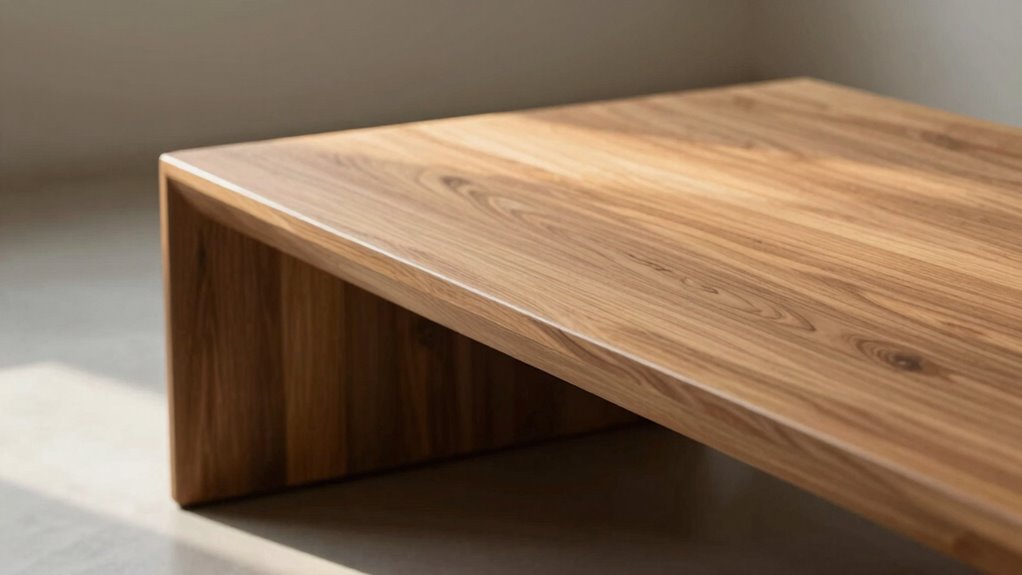

Designers often use a simple formula to choose the perfect coffee table size. They aim for a table that’s about two-thirds the length of the sofa for proportion. The height typically matches the sofa seat height, around 16-18 inches. Width should be around 16-20 inches for practicality and movement. Balancing these proportions creates a harmonious look and functional space. Stick with these guidelines, and you’ll discover how to craft a well-coordinated decor.

Get your wardrobe favorites delivered free — and shop member deals
- Fast, free delivery on millions of items
- Access to Prime Big Deal Days deals on October 6–7
- Prime Video, Amazon Music and more included
Key Takeaways
- Use a formula where the table length is approximately two-thirds of the sofa length for balanced proportions.
- Match table height to sofa seat height (16-18 inches) for comfort and functionality.
- Aim for a width of 16-20 inches to ensure practicality without obstructing movement.
- Consider the room’s scale and furniture proportions to maintain visual harmony.
- Select materials and colors that complement the existing decor for cohesive design.
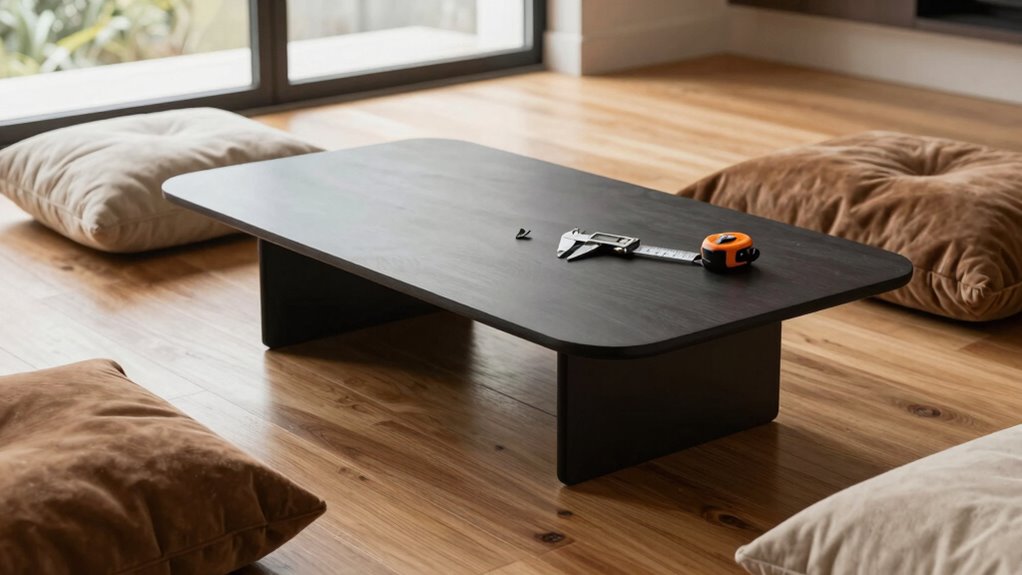
Designing the perfect coffee table starts with understanding its ideal size, which balances functionality and aesthetics. You want a piece that feels right in the space—neither overwhelming nor underwhelming—so knowing how to determine its dimensions is essential. The size formula that designers use on repeat helps to create harmony in any room. It’s a straightforward approach that considers the scale of your sofa and other furniture, ensuring the coffee table complements rather than clashes with the surrounding elements. Typically, the height of your table should be about the same as your sofa’s seat height, usually between 16 to 18 inches. The length should span roughly two-thirds the length of your sofa, providing enough surface area without crowding. For width, aim for about 16 to 20 inches, allowing enough space for movement around the table. This formula creates a balanced look that feels intentional and comfortable. Additionally, understanding furniture scale can help you select a table that maintains visual harmony within your space. When choosing the right size, considering room proportions can also guide you toward a more cohesive design. Knowing how different furniture elements relate to each other can enhance the overall spatial harmony of your room. Material choices play a significant role in how your coffee table fits within the room’s overall design. If your space leans toward modern minimalism, materials like glass and metal can add sleekness and transparency, making the room feel more open. For a cozy, rustic vibe, wood—whether oak, walnut, or reclaimed—adds warmth and texture. You might also choose concrete or marble for a luxe, contemporary touch. The material influences not just the look but also the visual weight of the table, so select finishes that align with your style. When you match your material choices to the room’s existing elements, your table becomes a seamless part of the decor rather than an afterthought. Considering visual weight can help ensure your table enhances rather than disrupts the room’s balance. Additionally, paying attention to furniture proportions can help you select a table that feels proportional and well-integrated within your space. Color palettes are another essential factor that influences how your coffee table integrates into the space. Neutral tones like beige, gray, or black provide versatility, allowing the table to blend effortlessly with various color schemes. If your room features bold or vibrant walls, a neutral-colored table keeps the focus balanced. Conversely, if your palette is subdued, adding a table in a striking color or with an eye-catching finish can serve as a statement piece. Consider the overall mood you want to evoke—cool blues and whites create calmness, while warm browns and rust tones add coziness. The key is to choose a color palette that harmonizes with your walls, upholstery, and accessories, ensuring your coffee table enhances the room’s cohesion.
As an affiliate, we earn on qualifying purchases.
Frequently Asked Questions
How Do I Measure My Space Accurately for a Coffee Table?
To measure your space accurately for a coffee table, start by determining the area’s dimensions with a tape measure. Make sure there’s about 18 inches of clearance around the table for comfortable movement. Consider your existing furniture’s color coordination and style compatibility to choose a size that complements your space. Keep in mind that a properly scaled coffee table enhances your room’s balance, making it both functional and visually appealing.
What Materials Are Best for Different Coffee Table Sizes?
For different coffee table sizes, choose materials based on material durability and aesthetic versatility. For smaller tables, opt for sturdy wood or metal, which withstand daily use and offer timeless appeal. Medium-sized tables benefit from glass for elegance and easy cleaning. Larger tables work well with durable materials like reclaimed wood or concrete, providing stability and style. Always consider how the material complements your space and endures daily life.
How Does Room Shape Influence Coffee Table Dimensions?
Room shape influences your coffee table dimensions by determining the ideal size for balance and functionality. In rectangular rooms, opt for elongated tables that complement the space, while square rooms benefit from compact, square-shaped tables. Incorporate decorative accents like colorful trays or vases to add visual interest, and guarantee color coordination with your room’s palette. This approach creates a harmonious look, making your space feel inviting and well-designed.
Can the Formula Be Adjusted for Oversized or Small Spaces?
Yes, you can adjust the formula for oversized or small spaces. Did you know that proportional scaling helps maintain aesthetic balance regardless of room size? To adapt, increase or decrease the table’s dimensions while keeping it proportional to your space. For small rooms, opt for a smaller scale, and for larger areas, slightly enlarge your coffee table. This guarantees your design remains harmonious and functional.
Are There Ergonomic Considerations When Choosing a Coffee Table Size?
Yes, ergonomic considerations are essential when choosing a coffee table size. You want to guarantee ergonomic comfort by selecting a height that allows easy access without straining your neck or shoulders. Consider user interaction; the table should be proportionate to seating and encourage comfortable reaching and movement. A well-sized coffee table enhances your overall experience, making your space both functional and comfortable, reducing strain during use.
Conclusion
So, next time you’re designing or shopping for a coffee table, remember this simple formula—you might just find that perfect fit. It’s funny how a little math can make your space feel so much more intentional and balanced. Sometimes, the best design solutions come from unexpected coincidences, like a handy formula showing up just when you need it. Keep this trick in your back pocket—you never know when it’ll surprise you!
Fall Picks
fall essentials
As an affiliate, we earn on qualifying purchases.