
Understanding the difference between shop vacuums and household vacuums helps you pick the right tool for any mess. Shop vacuums are built for heavy-duty tasks, handling wet and dry debris with powerful motors and rugged construction, perfect for construction sites or garages. Household vacuums focus on convenience, cleaning carpets and floors easily. Knowing these differences guarantees you select the right vacuum for your needs, and more details can guide you to make an informed decision.
Key Takeaways
- Shop vacuums are designed for heavy-duty, wet and dry messes; household vacuums focus on everyday dry cleaning tasks.
- Shop vacs feature powerful motors and larger capacity tanks for extended, tough cleaning; household vacuums prioritize portability and ease of use.
- Rugged construction in shop vacuums ensures durability in harsh environments, unlike most household models designed for home comfort.
- Shop vacuums excel at construction, automotive, and flood cleanup, while household vacuums are ideal for carpets, floors, and upholstery.
- Performance depends on power and construction quality; choose based on the specific cleaning needs and environment.
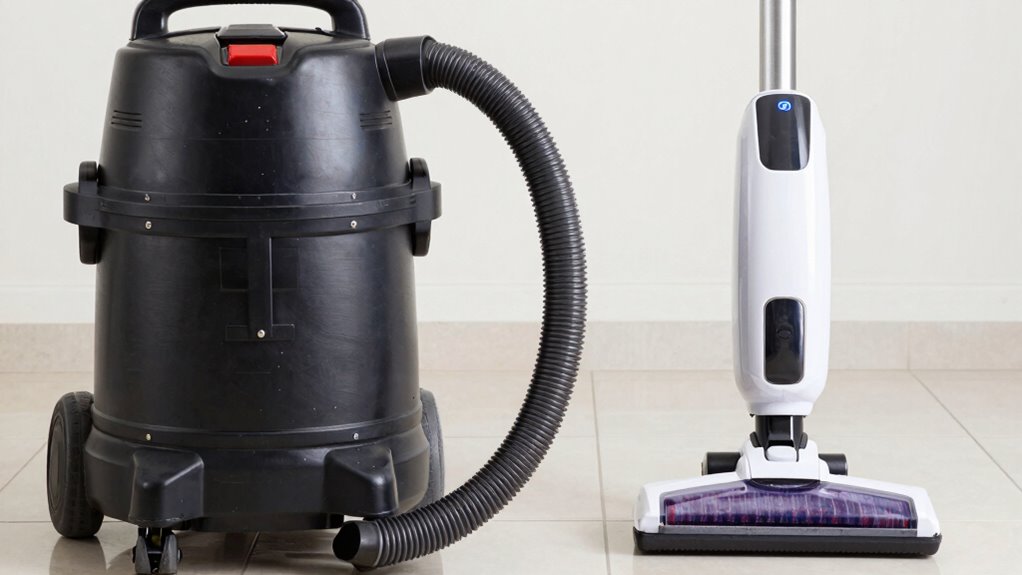
When choosing between a shop vacuum and a household vacuum, understanding their differences can help you make the right decision for your cleaning needs. Shop vacuums are built with industrial power, designed to handle tough debris, heavy-duty messes, and large-volume cleaning tasks. They typically feature powerful motors that generate high suction and airflow, making them ideal for construction sites, garages, and workshops. In contrast, household vacuums prioritize convenience and ease of use, focusing on cleaning versatility for everyday home maintenance. They are generally lighter, quieter, and tailored for routine chores like carpet cleaning, dusting, and pet hair removal.
Shop vacuums handle tough debris and large messes, while household vacuums focus on convenience and everyday cleaning.
One of the key distinctions lies in their power and construction. A shop vacuum’s industrial power allows it to tackle materials like drywall dust, sawdust, and spilled liquids with ease. They often have larger capacity tanks to prevent frequent emptying during extended cleaning sessions, which is a significant advantage in commercial or workshop environments. Household vacuums, on the other hand, prioritize user comfort and portability. They often come with adjustable settings, specialized attachments, and filters suited to cleaning delicate surfaces and household clutter. Additionally, the rugged construction of a shop vacuum ensures durability when faced with tough conditions and challenging debris types. Understanding the durability of each type can help you choose a vacuum that lasts longer under different conditions. Moreover, the construction materials used in their manufacturing typically contribute to their overall lifespan and performance.
Cleaning versatility is another critical factor. Shop vacuums are versatile in their ability to handle wet and dry messes simultaneously, making them indispensable for construction cleanup, automotive detailing, or basement floods. Their rugged design ensures they can withstand dust, debris, and even moisture without damage. Additionally, power and construction are crucial aspects in determining a vacuum’s suitability for different tasks. Household vacuums, however, excel at maintaining your home’s cleanliness. They are designed to clean carpets, hardwood floors, upholstery, and curtains efficiently. While some high-end models offer wet-dry capabilities, most are optimized for dry debris, emphasizing ease of use and versatility within a domestic setting. Proper maintenance of filters and parts is also essential to keep both types performing at their best over time.
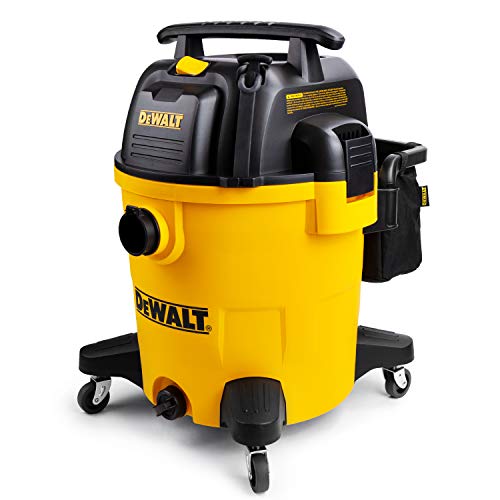
DEWALT 12 Gallon Poly Wet/Dry Vac, 5.5 HP Shop Vacuum Wet Vacuum Cleaner for Workshop, Jobsite, Commericial Area, Large Pick-Up Capacity, Yellow,DXV12P
- Powerful Motor: 5.5 HP for strong suction
- Large Capacity: 12-gallon tank for big pickups
- Easy Mobility: Rubberized swiveling casters
As an affiliate, we earn on qualifying purchases.
As an affiliate, we earn on qualifying purchases.
Frequently Asked Questions
Can a Shop Vacuum Replace a Regular Household Vacuum?
Yes, a shop vacuum can often replace a household vacuum for certain tasks. With its industrial power, it handles wet and dry debris efficiently, making it versatile. However, it might be overkill for regular cleaning and not as convenient for delicate surfaces or furniture. If you’re looking for heavy-duty cleaning with wet-dry capabilities, a shop vacuum is a solid choice, but for everyday use, a household vacuum may be more practical.
Which Vacuum Is Better for Pet Hair Removal?
A household vacuum is generally better for pet hair removal because it’s designed for delicate surfaces and has specialized attachments, improving vacuum efficiency. Its suction power and brushes target pet hair more effectively on furniture and carpets. Shop vacuums, while powerful, are less suited for this task, as their strength is better suited for debris and larger messes. For pet hair, stick with a household vacuum for the best results.
Are Shop Vacuums Suitable for Carpet Cleaning?
Shop vacuums can handle carpet deep cleaning and upholstery care, but they’re not your everyday choice. They’re powerful and versatile, making them great for stubborn dirt and messes. However, their size and suction strength might be overkill for regular carpet cleaning. You’ll want a household vacuum for routine upkeep, but keep a shop vacuum handy for deep cleans and tough spots that need serious muscle.
How Loud Is a Shop Vacuum Compared to a Household Vacuum?
Shop vacuums tend to be louder than household vacuums, with noise levels often reaching 80-100 decibels, similar to a lawnmower or loud music. Household vacuums usually operate quieter, around 60-70 decibels, making them easier to use for extended periods. Noise comparisons show shop vacuums produce more sound due to their powerful motors and industrial design, so expect a louder operation when using one.
What Maintenance Is Required for Both Vacuum Types?
Did you know that a typical shop vacuum lasts about 3-5 years with proper maintenance? You need to regularly check and replace filters to keep suction strong, especially after heavy use. For both types, inspect the power source—ensure cords are intact and outlets are safe. Cleaning filters, emptying tanks, and checking electrical connections are essential steps to keep your vacuums running efficiently and extend their lifespan.
Conclusion
Understanding the differences between a shop vacuum and a household vacuum helps you choose the right tool for your needs. While some believe a shop vacuum’s power makes it superior for all messes, that’s not entirely true—its design is tailored for heavy-duty, industrial use. In reality, selecting the right vacuum depends on your specific tasks. Trusting this fact, you’ll make smarter decisions, ensuring your cleaning tools serve you well without overestimating their capabilities.