
For most home DIY projects, you only need a few versatile drill bits. A high-speed steel (HSS) bit handles drilling into wood, plastic, and soft metals. Masonry bits with tungsten carbide are perfect for concrete and brick. For tougher metals, a cobalt or titanium-coated bit adds extra durability. Keeping these basics sharp and organized guarantees safety and efficient work. If you want to learn more about choosing the right bits and maintaining them, keep exploring.

Get your wardrobe favorites delivered free with Prime
- Fast, free delivery on millions of items
- Prime Video, Amazon Music and more included
- Member-only deals all year
Key Takeaways
- Use high-speed steel (HSS) bits for general woodworking, plastic, and soft metal projects.
- Keep a masonry bit for concrete, brick, and outdoor tasks requiring durability.
- Opt for titanium-coated or cobalt bits when drilling into tougher metals for extended lifespan.
- Maintain and sharpen bits regularly to ensure safety, precision, and longevity.
- Store bits properly and select the right one to improve safety, efficiency, and project results.
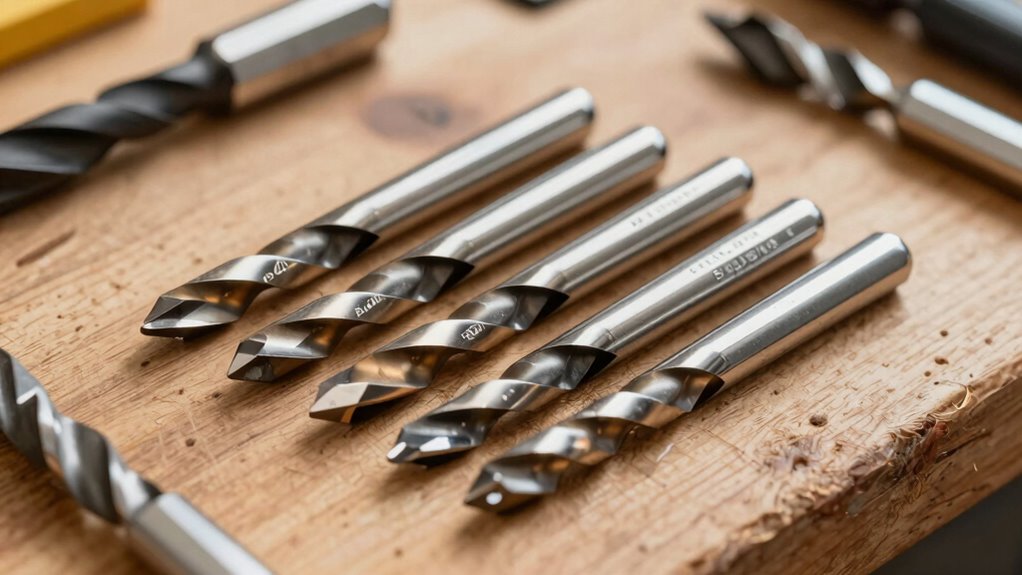
If you’re tackling home DIY projects that involve drilling, choosing the right drill bits is vital for both safety and results. Using the proper bits ensures your projects go smoothly, and it also helps you maintain power tool safety. When you pick the right drill bits, you reduce the risk of accidents, such as bits breaking or slipping, which can cause injuries or damage to your materials. That’s why understanding which drill bits you need and how to care for them is essential for any DIY enthusiast.
Choosing the right drill bits ensures safety and success in all your DIY projects.
For most home projects, a set of versatile bits will cover your needs. A high-speed steel (HSS) drill bit is a must-have for general-purpose drilling into wood, plastic, and soft metals. They’re durable, affordable, and work well for everyday tasks like installing shelves, assembling furniture, or hanging pictures. Pair these with a few masonry bits if you plan to drill into concrete or brick, especially for outdoor projects or basement work. Masonry bits are reinforced with tungsten carbide, making them suitable for tougher materials. Additionally, a set of titanium-coated or cobalt bits can extend the lifespan of your drill bits, especially if you’re working with tougher metals or doing frequent drilling.
Maintaining your drill bits is just as important as selecting the right ones. Proper drill bit maintenance ensures they stay sharp, effective, and safe to use. Always clean your bits after use to remove dust, debris, or metal shavings, which can dull the cutting edges. Sharpen your bits regularly with a sharpening stone or a specialized bit sharpener to keep them performing at their best. Dull bits require more force, increasing the risk of slipping or breaking—compromising power tool safety. Store your drill bits in a dry, organized case to prevent rust and accidental damage. Proper storage also makes it easier to find the right bit quickly, reducing the chance of using the wrong one and damaging your tools or project materials.
Additionally, understanding the contrast ratio of your projector can significantly impact the perceived quality of your home cinema by providing deeper blacks and brighter whites, especially in dark scenes. Ultimately, investing in quality drill bits and taking good care of them pays off in safer, more efficient DIY projects. You don’t need dozens of specialized bits—just a handful of versatile, well-maintained options will serve you well for most home tasks. Remember, safety comes first: always wear eye protection, secure your workpiece, and follow your power tool’s safety guidelines. With the right drill bits and proper maintenance, you’ll find that your DIY projects become more manageable, precise, and enjoyable.
Frequently Asked Questions
How Do I Choose the Right Drill Bit Material?
To choose the right drill bit material, consider the metal compatibility and how long you need the drill bit to last. For softer materials like wood or plastic, high-speed steel (HSS) bits work well and last longer. For tougher metals like stainless steel, cobalt bits are ideal, offering better durability. Carbide bits are best for very hard materials but may have a shorter lifespan if used improperly.
Can I Use One Drill Bit for Different Materials?
Using one drill bit for different materials is like trying to fit a key into every lock—it’s not always compatible. While some bits offer versatility, their compatibility varies depending on the material. For ideal results, choose bits designed for specific materials, considering drill bit compatibility. This ensures your project goes smoothly and prevents damage, making your drill bit work smarter, not harder.
How Do I Prevent My Drill Bits From Overheating?
To prevent your drill bits from overheating, you should regularly apply drill bit lubrication, especially when working on tough materials. This reduces friction and keeps the bit cool. Also, take breaks during extended drilling to allow cooling down. Use the right drill bit for each material, and avoid applying excessive pressure. These overheating prevention tips will prolong your drill bits’ life and make your DIY projects smoother and safer.
What Safety Precautions Should I Take When Drilling?
Did you know that wearing safety gear reduces injury risk by 70%? When drilling, always wear appropriate personal protective equipment like goggles and gloves to protect your eyes and hands. Make certain your workspace safety by keeping the area clear of clutter, securing materials firmly, and unplugging the drill when not in use. Stay alert, follow manufacturer instructions, and never force the drill; safety is essential for a successful project.
How Do I Properly Store My Drill Bits?
To properly store your drill bits, use bit storage solutions like a dedicated bit organizer or magnetic strip to keep them accessible and protected. When organizing drill bits, sort them by size or type and make certain they’re clean and dry before storing. Avoid tossing bits loosely into a box, as this can cause damage or make it hard to find the right one quickly. Proper organization keeps your tools in top shape.
Conclusion
With just these essential drill bits, you’ll open endless possibilities for your home projects. Think of them as your trusty toolkit’s heartbeat—pumping life into every DIY endeavor. No need to chase after every fancy bit; simplicity often holds the greatest power. Stick with what works, master these basics, and watch your confidence grow. After all, isn’t it better to wield a few reliable tools than a box full of forgotten tricks? Ready to get started?
Halloween Picks
halloween
As an affiliate, we earn on qualifying purchases.