
To integrate natural materials into your boho kitchen, focus on using reclaimed wood for open shelves and rustic surfaces, and incorporate bamboo for utensils and cutting boards. Choose recycled glass tiles for a unique backsplash, and add textured textiles like woven baskets and rugs for warmth. Combining these eco-friendly elements creates a cozy, authentic vibe that’s both stylish and sustainable. Keep exploring to discover even more ways to enhance your space with natural touches.
Key Takeaways
- Prioritize eco-friendly, locally sourced materials like reclaimed wood and bamboo for authentic, sustainable kitchen elements.
- Incorporate mixed textures such as rough wood, woven textiles, and matte ceramics to add depth and character.
- Use recycled glass tiles and natural fiber rugs to enhance eco-consciousness and visual warmth in the space.
- Select durable, age-friendly natural materials that develop unique patina and support eco-friendly living.
- Focus on authentic, high-quality products that balance aesthetics and sustainability for a lively boho atmosphere.

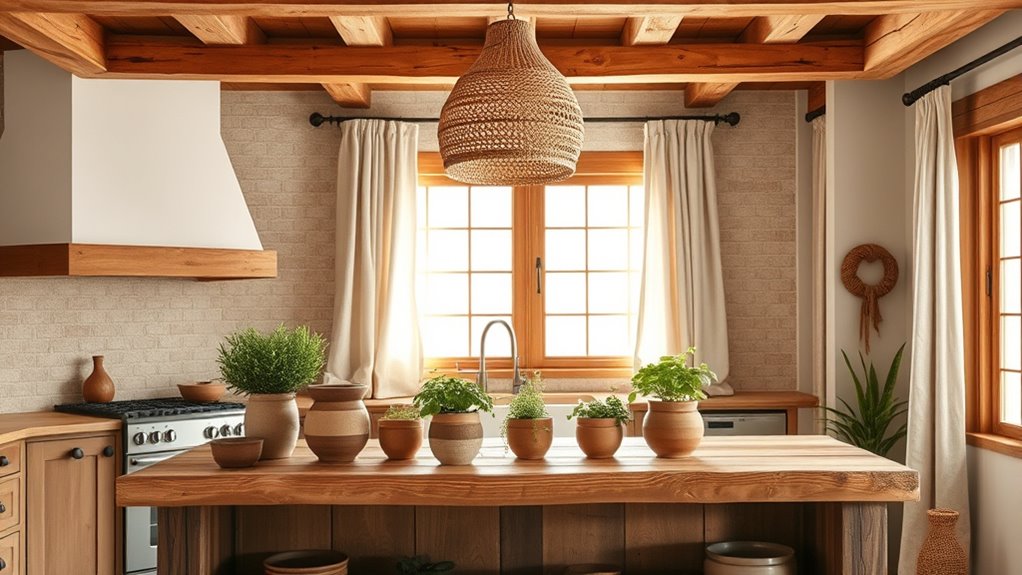
A boho kitchen renovation can transform your space into a vibrant, eclectic haven that reflects your personality. One of the best ways to achieve this is by integrating natural materials that add warmth, texture, and a sense of authenticity. When selecting these materials, focus on sustainable sourcing. This means choosing items that are eco-friendly, ethically produced, and locally sourced whenever possible. Sustainable sourcing not only reduces your environmental impact but also ensures that your kitchen feels genuinely connected to nature. Think about reclaimed wood for open shelving or table surfaces, bamboo for cutting boards and utensils, and recycled glass tiles for backsplashes. These choices celebrate eco-conscious living while giving your kitchen a rustic, lived-in charm.
Embrace sustainable sourcing with reclaimed wood, bamboo, and recycled glass for a warm, eco-friendly boho kitchen.
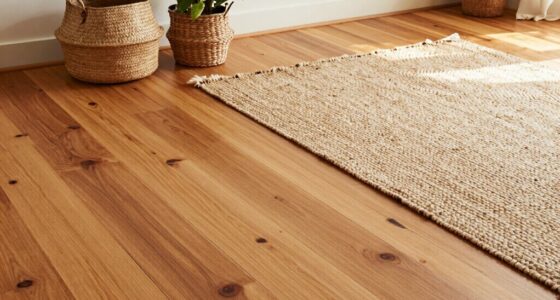
Incorporating mixed textures is central to creating a lively boho aesthetic. Don’t shy away from combining rough-hewn wood with smooth ceramics, woven baskets, and soft textiles. This layering of textures adds depth and visual interest, making your kitchen inviting and full of character. For example, pair a distressed wooden countertop with matte-finish ceramic pots and textured woven placemats. Add a touch of softness with linen or cotton dish towels, and incorporate natural fiber rugs that bring in an earthy feel underfoot. The key is to balance different textures so your space feels curated but not overly styled. This approach invites tactile engagement and makes your kitchen feel cozy and personal.
Using natural materials also encourages a more sustainable lifestyle. When you choose items made from natural, biodegradable materials, you reduce reliance on plastics and synthetic alternatives. For instance, opt for ceramic or clay cookware, which is durable and eco-friendly, and use wooden utensils instead of plastic. These small but impactful choices contribute to a greener kitchen and help you craft an environment that’s both stylish and sustainable. Additionally, natural materials age beautifully, developing a unique patina over time that adds character and a sense of history to your space. This not only enhances the boho vibe but also means you’re making a conscious effort to create a space that’s both beautiful and responsible.
Furthermore, selecting products with a Vetted reputation ensures quality and durability, making your sustainable choices more reliable over time. Ultimately, integrating natural materials in your boho kitchen isn’t just about aesthetics; it’s about creating a space that feels authentic, warm, and sustainable. By focusing on sustainable sourcing and mixing textures thoughtfully, you’ll craft a kitchen that’s lively, inviting, and true to your personal style. This approach allows you to enjoy a beautiful, eco-conscious space that celebrates nature’s imperfect, tactile beauty while making a positive impact on the environment.
As an affiliate, we earn on qualifying purchases.
Frequently Asked Questions
How Do Natural Materials Affect Kitchen Durability?
Natural materials can enhance your kitchen’s durability when sustainably sourced, ensuring they’re responsibly harvested. They often have good material longevity, meaning they withstand daily wear and tear better over time. By choosing eco-friendly options like bamboo or reclaimed wood, you’ll enjoy a sturdy, stylish space that ages well. Proper maintenance also boosts durability, so your kitchen remains beautiful and functional for years to come.
Are Natural Materials Eco-Friendly Options for Kitchens?
Natural materials are like a gust of fresh air for your kitchen, making them eco-friendly options. They often have a smaller carbon footprint compared to synthetic alternatives, which rely on chemicals and non-renewable resources. While natural options might cost more upfront, they’re usually more sustainable in the long run. Considering eco-friendliness, natural materials support a healthier environment and can add unique charm to your boho kitchen design.
What Maintenance Do Natural Materials Require in a Kitchen?
You need to regularly clean natural surfaces with gentle, non-abrasive cleaners to prevent damage. For natural materials like wood or stone, apply natural material sealing to protect against stains and moisture. Wipe up spills promptly and avoid harsh chemicals. Periodically reseal surfaces to maintain their integrity. By caring for your natural materials this way, you’ll keep your boho kitchen looking beautiful and ensure its longevity over time.
Can Natural Materials Be Used Alongside Modern Appliances?
Imagine blending a reclaimed wood countertop with sleek modern appliances. Yes, natural materials can be used alongside modern appliances, creating a beautiful balance of natural vs synthetic elements. This combination enhances your kitchen’s aesthetic while maintaining functionality. For instance, a stone backsplash paired with stainless steel appliances offers timeless appeal. You get the charm of natural textures without sacrificing the efficiency and clean look modern appliances provide.
How Do Natural Materials Impact Kitchen Hygiene and Cleanliness?
Natural materials can positively impact your kitchen hygiene and cleanliness by providing non-porous surfaces that resist moisture and stains, making them easier to clean. Many natural materials also have antimicrobial properties, helping to reduce bacteria and germs. To maintain a hygienic space, regularly clean these surfaces and choose natural options like sealed stone or treated wood that support both aesthetics and cleanliness, ensuring your kitchen stays safe and inviting.
Conclusion
As you step into your revamped kitchen, sunlight dances on warm wooden surfaces and earthy ceramics, filling the space with a calming, inviting glow. The natural materials you’ve chosen create a cozy haven where every detail whispers serenity and connection to nature. With each glance around, you feel the gentle touch of authenticity and the peaceful energy that only true natural elements can bring. This is your sanctuary—beautiful, grounded, and uniquely yours.