
To add texture to walls without heavy construction, try techniques like sponging, rag rolling, or stippling to create subtle or bold effects. You can also apply decorative wall panels made from lightweight materials like MDF or PVC, which are easy to install and removable. Combining painted textures with panels adds dimension and interest. Proper surface prep guarantees better adhesion and a polished finish. Keep exploring to discover more ways to transform your walls easily and stylishly.

Get your wardrobe favorites delivered free — and shop member deals
- Fast, free delivery on millions of items
- Access to Prime Big Deal Days deals on October 6–7
- Prime Video, Amazon Music and more included
Key Takeaways
- Use DIY wall painting techniques like sponging, rag rolling, or stippling to create textured effects easily.
- Install peel-and-stick decorative wall panels in patterns such as chevrons or herringbone for added dimension.
- Combine painted textures with removable panels to enhance visual interest without structural changes.
- Prepare surfaces properly to ensure adhesion and durability of paint and panels for a polished look.
- Experiment with different textures and finishes to achieve the desired effect without heavy construction.
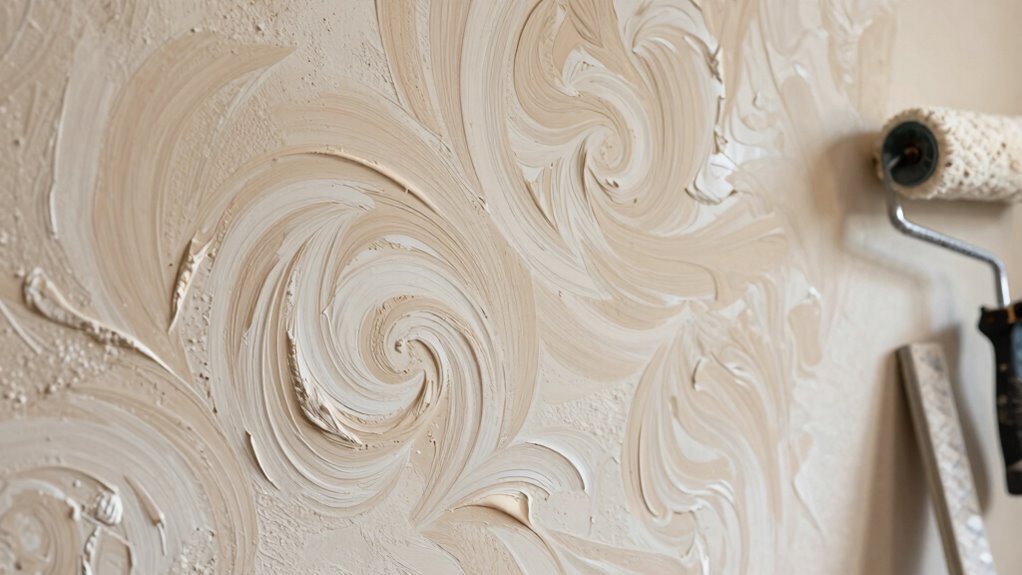
Have you ever wanted to give your walls a unique, tactile appeal? Adding texture doesn’t mean you need heavy construction or a complete overhaul. Instead, you can explore creative wall paint techniques and decorative wall panels that transform your space effortlessly. These options allow you to introduce dimension and interest without the mess or expense of traditional remodeling.
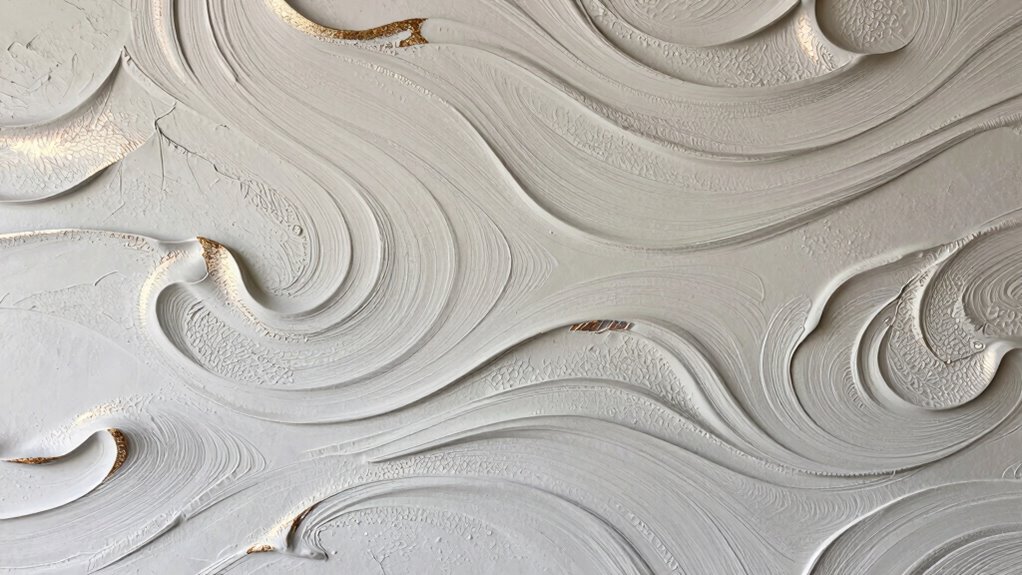
Start with wall paint techniques to create textured effects. One simple approach is to use sponging or rag rolling, where you dab or roll a sponge or rag over wet paint to produce a subtle, marbled look. It’s quick, easy, and adds depth to flat walls. You can also try stippling, where you use a stippling brush or brush flicks to create a dotted, textured surface. For more dramatic effects, consider applying a faux finish like a Venetian plaster or a faux brick look, which can mimic more complex textures without significant demolition. These techniques are flexible—you control the level of texture, from soft and subtle to bold and striking.
Create textured walls easily with sponging, rag rolling, stippling, or faux finishes for a customizable, stylish look.
If you want to make a more permanent statement, decorative wall panels are an excellent choice. They come in a variety of materials, such as lightweight MDF, PVC, or even reclaimed wood, allowing you to add depth without heavy construction. Peel-and-stick panels are especially user-friendly; you just peel off the backing and stick them directly onto your walls. They can be arranged to create patterns like chevrons, herringbone, or random textures, giving your space a modern or rustic feel. Installing decorative wall panels is straightforward, and they can be removed or replaced without damaging your walls, making them ideal for renters or those who like to change their decor frequently.
Another tip is to combine techniques—paint a base color and then add textured panels for contrast. Painting your walls with bold wall paint techniques first creates a vibrant backdrop for the panels, which can be used to emphasize specific areas or features. You can also highlight the edges of panels with a contrasting color or metallic accents to add a touch of elegance. Incorporating varied textures can further enrich the visual appeal of your walls, making the space feel more dynamic and engaging. Remember that understanding surface preparation plays a crucial role in achieving professional-looking results and ensuring the longevity of your textured finishes.
In short, adding texture to your walls without heavy construction is entirely doable with a mix of creative wall paint techniques and decorative wall panels. These options give you the flexibility to experiment with different textures and styles, all while keeping the process manageable and mess-free. Whether you prefer subtle textures or bold statements, you can achieve a unique, tactile look that elevates your space with minimal hassle.
As an affiliate, we earn on qualifying purchases.
Frequently Asked Questions
What Are the Safest Methods for Textured Wall DIY Projects?
The safest methods for textured wall DIY projects start with proper wall preparation, like cleaning and patching holes. Use low-odor, non-toxic wall texture compounds, and always wear safety goggles and a mask to protect yourself from dust and fumes. Apply textures with brushes or sponges instead of heavy equipment. Follow safety precautions, work in a well-ventilated area, and test small sections first to make sure you’re comfortable with the technique.
How Long Does Textured Wall Finish Typically Last?
Textured wall finishes typically last between 5 to 10 years, depending on factors like application quality and maintenance. Did you know that proper sealing and gentle cleaning can extend texture durability? Your finish longevity relies on choosing the right materials and careful upkeep. If you want your textured walls to look great longer, focus on quality application and avoid harsh cleaners, ensuring your textured look stays fresh and vibrant for years to come.
Can Textured Walls Be Painted Over Easily?
Yes, textured walls can be painted over easily if you handle surface preparation properly. Before painting, you’ll need to clean the surface and remove any loose texture or paint, which is part of textured wall removal. Lightly sanding the surface helps create a smooth base for the new coat. Proper surface preparation guarantees the paint adheres well and your new look lasts longer, making the process straightforward and effective.
Are There Eco-Friendly Options for Wall Textures?
Think of eco-friendly options for wall textures as your modern-day “green revolution.” You can choose eco-friendly paints that contain low or no volatile organic compounds (VOCs), reducing harmful emissions. Sustainable textures like recycled materials, natural plasters, or clay finishes also make your walls environmentally conscious. These options not only add visual interest but align with your eco-friendly values, helping you create a stylish, sustainable space without heavy construction or toxic chemicals.
What Tools Are Essential for Applying Wall Textures?
You’ll need essential tools like a brush, roller, or trowel for applying texture techniques effectively. A drywall knife helps create specific patterns, while sponges or specialty tools add unique finishes. Keep your tools clean and well-maintained to guarantee smooth application and consistent results. Proper tool maintenance prevents buildup and damage, making your wall textures look professional. With the right tools and care, you can easily add beautiful textures without heavy construction.
Conclusion
So, who knew that adding texture to your walls could be as simple as some paint and a bit of creativity? No heavy lifting, no messy drywall—just your imagination and a few tricks. Ironically, the easiest upgrades often make the biggest impact, proving you don’t need a contractor to transform your space. So go ahead, get textured, and enjoy the stunning results without breaking a sweat—or the bank!
Fall Picks
fall essentials
As an affiliate, we earn on qualifying purchases.