
TL;DR
Consumers are increasingly abandoning polyester for natural fibres due to environmental and health concerns. This shift is impacting the textile industry and consumer purchasing trends.
Consumers are increasingly choosing natural fibres over polyester in their clothing purchases, citing environmental sustainability and health concerns as primary reasons. This shift is influencing fashion industry trends and retail strategies, making it a notable development in the textile market.
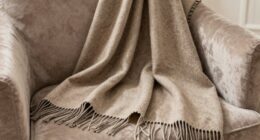
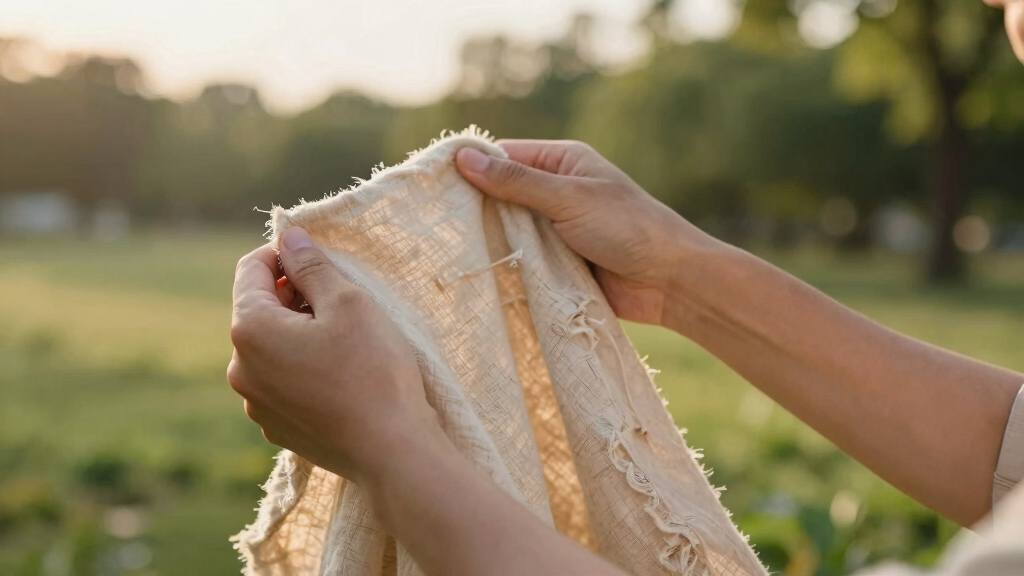
Recent surveys indicate that a growing number of consumers are opting for natural fibres such as cotton, linen, wool, and hemp, over synthetic materials like polyester. Industry reports suggest that this change is driven by increased awareness of polyester’s environmental impact, including its contribution to microplastic pollution, and concerns about chemical residues in synthetic fabrics.
Fashion brands are responding by expanding their sustainable collections, with some reporting double-digit growth in natural fibre sales. Experts note that the trend is also linked to broader shifts toward eco-conscious lifestyles and health awareness, especially among younger consumers.
While data confirms the rise in demand for natural fibres, it is still unclear how long this trend will sustain or how it will affect global polyester production and pricing. Market analysts observe that economic factors, such as cost and supply chain dynamics, continue to influence consumer choices.
Environmental and Health Impacts Drive Consumer Choices
This shift matters because it signals a potential transformation in the textile industry towards more sustainable practices. Increased demand for natural fibres could reduce reliance on polyester, which is derived from petrochemicals and contributes to microplastic pollution. For consumers, it reflects a growing prioritization of health and environmental considerations in purchasing decisions, potentially influencing future industry standards and regulations.
As an affiliate, we earn on qualifying purchases.
Growing Awareness of Polyester’s Environmental Footprint
Polyester, a widely used synthetic fibre, has faced criticism for its environmental impact, including its non-biodegradable nature and contribution to microplastic pollution in oceans. Over the past decade, consumer awareness campaigns and environmental reports have highlighted these issues, leading to increased scrutiny of synthetic fabrics.
Meanwhile, the fashion industry has seen a rise in sustainable and eco-friendly brands promoting natural fibres. Market data from 2022-2023 showed a steady increase in sales of natural textiles, reflecting shifting consumer preferences. Experts note that this trend is part of a broader movement toward sustainable fashion, which gained momentum during the COVID-19 pandemic.
Despite these developments, polyester remains dominant due to its affordability and versatility, but the gap is narrowing as consumers become more environmentally conscious.
“We’ve seen a 15% increase in sales of natural fibre products in the past year, reflecting a clear shift in consumer preferences.”
— Laura Kim, Fashion Retail Executive
Future Longevity of the Natural Fibre Preference
It remains unclear whether this consumer shift will sustain long-term or if economic factors, such as price fluctuations or supply chain issues, could slow down the trend. Additionally, the impact on polyester production and pricing is still developing, with some industry experts questioning whether natural fibres can fully replace synthetic materials at scale.
Expected Industry Responses and Consumer Behavior Trends
Moving forward, industry analysts expect more brands to expand their sustainable offerings, with innovations in natural fibre production and blends. Consumer education campaigns may further reinforce the trend, while policymakers could introduce regulations favoring eco-friendly textiles. Monitoring sales data and industry shifts in the coming months will clarify whether this is a temporary trend or a lasting change.
Key Questions
Why are consumers turning away from polyester?
Consumers cite environmental concerns, such as microplastic pollution, and health risks associated with chemical residues in synthetic fabrics as primary reasons for shifting to natural fibres.
Are natural fibres more affordable than polyester?
Generally, natural fibres can be more expensive due to production costs, but prices vary depending on the fibre type and supply chain factors. The trend is driven more by consumer values than cost alone.
Will this trend affect global polyester production?
It is still uncertain. While increased demand for natural fibres may reduce some polyester sales, polyester remains dominant due to its affordability and versatility. Industry shifts could influence future production levels, but complete replacement is unlikely in the short term.
How are fashion brands responding to this shift?
Many brands are expanding their sustainable collections, marketing natural fibre products more prominently, and investing in eco-friendly production methods to meet consumer demand.
Source: rss