
TL;DR

Get your wardrobe favorites delivered free with Prime
- Fast, free delivery on millions of items
- Prime Video, Amazon Music and more included
- Member-only deals all year
Highsnobiety’s October 20 Shopper newsletter focuses on wool garments that do not look like conventional knitwear, including fine-woven shirts, jackets, trousers and shoes. The report is a shopping edit, not a market study; it does not establish that wool apparel is newly popular or compare products through independent testing.
Highsnobiety’s October 20 Shopper newsletter highlights wool beyond traditional sweaters, pointing to finely woven shirts, understated jackets, trousers and footwear as options for cooler weather. The shopping report presents these pieces as a way to wear the insulating material with less visible bulk, but it is an editor’s selection rather than an independent test or a measured account of changing consumer demand.
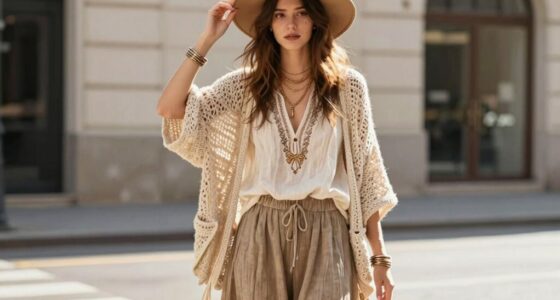
Shopping Editor Max Migowski describes wool as a material that can appear in a range of garments, not just familiar knits. The report names merino basics, including henleys and high-collared T-shirts, as possible base layers. It also singles out fine-woven wool shirts from Auralee, Ssstein and vowels, alongside options from Massimo Dutti and Banana Republic. Migowski’s point is that some wool fabrics can look more like ordinary cotton than visibly fuzzy knitwear.
The edit also lists wool jackets and trousers whose silhouettes do not foreground softness. Examples include a MAN-TLE blouson, a Tender Co. chore coat, an A.Presse bomber, Rick Owens cargos and trousers from Working. For footwear, the report cites Clarks felt Wallabees and tweedy Merrell sneakers. These are examples selected by the editor; the newsletter does not provide comparative warmth tests, durability data or a full account of each product’s fiber composition.
Fleece receives a separate mention. Highsnobiety calls RIER’s piece a 100% wool “hero piece” priced at about $1,000, while noting that other named fleece-style garments contain varying percentages of real wool and cost a fraction as much. The source does not list those percentages or prices. Highsnobiety also discloses that it has affiliate marketing partnerships and may receive a commission from purchases.
Wool Without the Sweater Silhouette
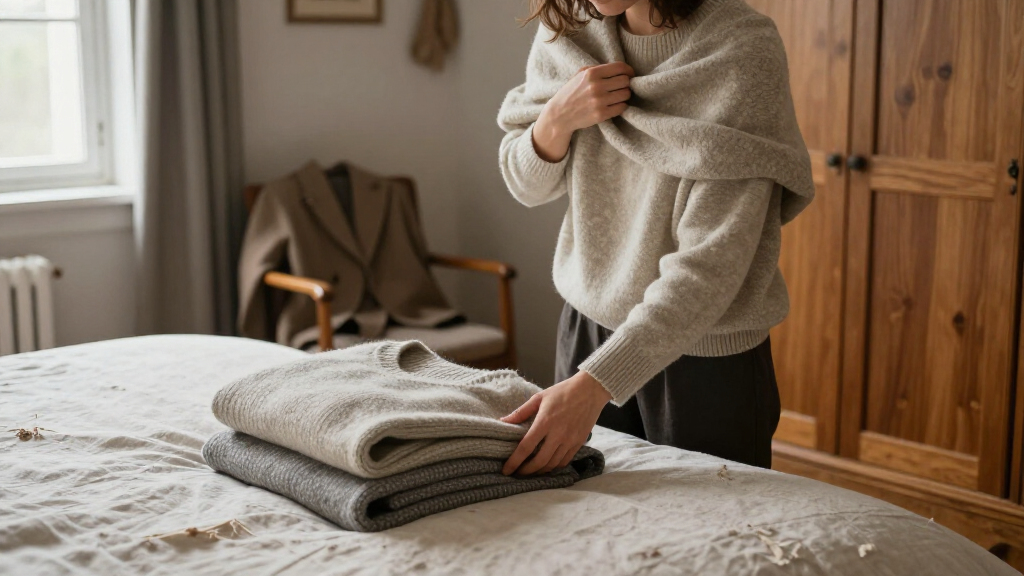
The report’s practical takeaway is that shoppers looking for warmth have options beyond a thick, visibly woolen sweater. Fine-woven base layers and wool-blend outerwear can fit into familiar shirt, jacket and trouser styles, while felt or tweedy footwear extends the material into accessories. That may matter to people who want to layer for colder weather without adding the apparent bulk associated with chunky knitwear.
However, the newsletter is a curated shopping guide, not evidence that every item will suit every climate, budget or wearer. It offers no standardized warmth ratings or testing. Fiber blends, fabric construction, fit and how a garment is layered all affect performance, so readers should check product details rather than infer warmth from the word “wool” alone.
As an affiliate, we earn on qualifying purchases.
From Merino Layers to Wool Fleece
The newsletter frames its selections around autumn weather that is cool but not yet cold enough for a puffer coat. It contrasts conventional Shetland-style knitwear and traditional flannel shirts with wool used in less expected forms, including shirts woven finely enough to resemble cotton and jackets presented with a deliberately structured appearance.
Its broader fashion observation is that interest in natural fibers has brought wool into more product categories. That is the editor’s characterization, not a market statistic: the source supplies no sales figures, consumer survey or comparison over time. The newsletter also includes unrelated product announcements and shopping deals, but its wool section centers on clothing that makes the material less visually obvious.
“The goal is to stay warm without seeming so.”
— Max Migowski, Highsnobiety shopping editor
Product Claims and Prices Unspecified
The source is an edited shopping newsletter and does not independently verify how warm, durable or comfortable each listed garment is. It gives no product-by-product testing, complete prices, care instructions or detailed fiber breakdowns for most examples. The stated about $1,000 price applies to RIER’s 100% wool fleece as described in the report; prices and wool proportions for the other fleece options are not supplied.
The newsletter describes wool as protective against cold, wind and moisture, but does not give conditions or performance measurements for the named items. It is also unclear which year the October 20 edition refers to, and the source does not substantiate its broader observation about renewed interest in natural fibers with market data.
Check Materials Before Buying
The source gives no announcement of a follow-up report, testing program or forthcoming product release tied to its wool feature. For shoppers considering the listed styles, the next practical step is to review each retailer’s current listing for fiber content, price, care guidance and availability. Those details can vary by product and may change after a newsletter is published.
Readers comparing wool layers can also check whether a piece is pure wool or a blend, and consider how it will be worn in their local weather. Highsnobiety’s affiliate disclosure means some purchases made through its links may generate a commission for the publisher; the newsletter does not state whether that affected the selection of specific products.
Key Questions
What is the main point of Highsnobiety’s wool report?
It highlights wool beyond conventional sweaters, including shirts, jackets, trousers and footwear, with an emphasis on wearing the material without a bulky knitwear look.
Which wool garments does the newsletter recommend?
The editor names merino base layers, fine-woven wool shirts, jackets, trousers and wool or wool-blend footwear. Examples include pieces from Auralee, MAN-TLE, Tender Co. and Clarks; the list is an editorial selection, not a complete product comparison.
Does the report show that wool clothing is becoming more popular?
No market data is included. The newsletter describes a renewed fashion interest in natural fibers, but provides no sales figures or survey results to establish a trend.
What does the report say about wool fleece prices?
It describes RIER’s 100% wool fleece as costing about $1,000 and says other fleece-style options contain varying amounts of wool and cost a fraction as much. It does not provide the other products’ exact prices or fiber percentages.
Does Highsnobiety receive money from purchases?
Highsnobiety says it has affiliate marketing partnerships and may receive a commission when readers buy through its links.
Source: rss
Halloween Picks
halloween
As an affiliate, we earn on qualifying purchases.