TL;DR

Get your wardrobe favorites delivered free with Prime
- Fast, free delivery on millions of items
- Prime Video, Amazon Music and more included
- Member-only deals all year
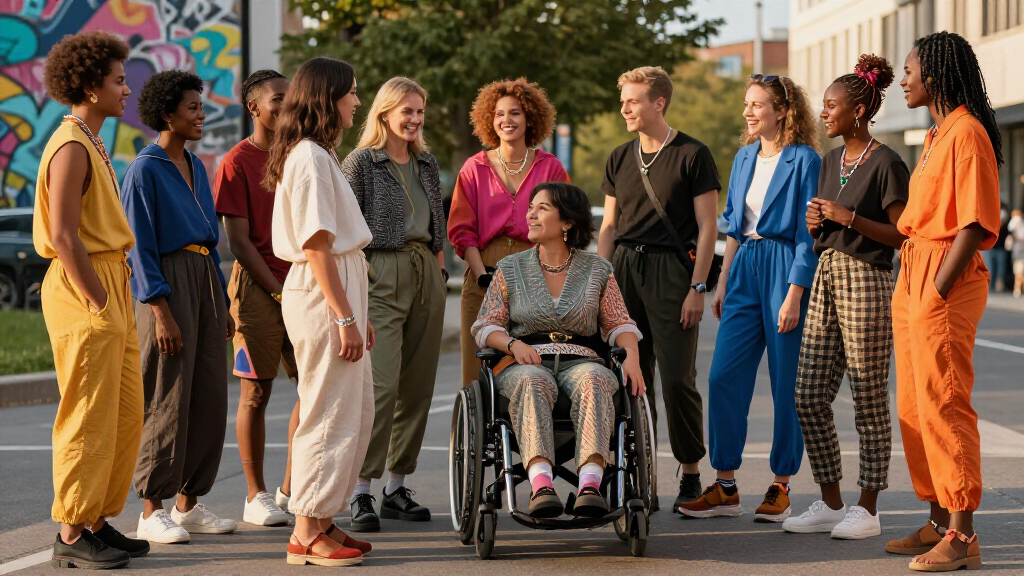
Ten individuals with disabilities are leveraging fashion to challenge stereotypes and reclaim their identities. This trend is gaining visibility amid rising interest in inclusive design and representation.
Ten individuals with disabilities are actively using fashion as a means of self-expression and empowerment, challenging societal stereotypes and reclaiming their identities. This emerging movement is gaining visibility as more people and brands recognize the importance of inclusive design and representation.
Sources indicate that a diverse group of ten people with various disabilities have publicly shared their stories of how fashion helps them express their identity and challenge societal perceptions. These individuals are using clothing choices, innovative adaptive designs, and social media platforms to promote awareness and inclusivity.
While specific identities and stories are still emerging, the trend reflects a broader shift toward embracing disability as part of identity rather than a limitation. Advocates and fashion designers are increasingly highlighting adaptive clothing that combines functionality with style, aiming to normalize disability in everyday fashion.
The trend appears to be fueled by rising social media engagement and a growing public interest in diversity and inclusion, although it remains a developing phenomenon with limited formal research or widespread industry acknowledgment at this stage.
Why Fashion as a Tool for Disability Reclamation Matters
This movement signifies a shift in societal attitudes, emphasizing that disability does not define a person’s identity or style. It challenges stereotypes by showcasing diverse expressions of beauty and capability, encouraging greater inclusion in fashion and society.
For individuals with disabilities, using fashion as a form of self-assertion can foster confidence, community, and visibility. It also prompts the fashion industry to consider more inclusive designs, potentially influencing broader cultural acceptance and accessibility.
Popular right now

Bose QuietComfort Wireless Noise Cancelling Headphones, Twilight Blue

Breville Barista Express Espresso Machine with Built-In Grinder, Brushed Stainless Steel

Dyson V10 Konical Cordless Stick Vacuum
As an affiliate, we earn on qualifying purchases.
Rise of Inclusive Fashion and Disability Representation
The use of fashion as a means of empowerment for people with disabilities is part of a broader trend toward inclusive design and representation. Over recent years, brands have begun to introduce adaptive clothing lines, and social media has amplified voices challenging traditional beauty standards.
This specific movement involving ten individuals appears to be a grassroots response, highlighting personal stories and advocating for societal change. Although interest in disability fashion has increased, it remains a niche compared to mainstream fashion, with ongoing debates about industry commitment and accessibility.
Extent and Impact of the Disability Fashion Movement
It is not yet clear how widespread this movement is beyond these ten individuals or how much influence it will have on mainstream fashion industries. The long-term impact on societal perceptions of disability remains uncertain, as the trend is still emerging and largely grassroots.
Potential Developments in Disability-Inclusive Fashion
As interest grows, more designers and brands may incorporate adaptive and inclusive features into their collections. Increased visibility could lead to broader societal acceptance and more representation of diverse bodies in fashion media. Future research and industry initiatives will clarify how this movement influences mainstream fashion and societal perceptions of disability.
Key Questions
How are these individuals using fashion to reclaim their disabilities?
They are using clothing choices, social media, and advocacy to challenge stereotypes, express their identities, and promote inclusive, adaptive fashion options.
Is this movement gaining support from mainstream fashion brands?
Support is still limited but growing, with some brands beginning to explore adaptive clothing lines. The movement remains largely grassroots at this stage.
What types of adaptive fashion are involved in this trend?
Includes clothing designed for easier wearability, comfort, and style, often featuring innovative closures, accessible fits, and aesthetic elements that celebrate diversity.
Will this trend influence societal perceptions of disability?
It has the potential to increase visibility, challenge stereotypes, and foster greater acceptance, but the extent of its societal impact is still developing.
Source: rss