
Boho fashion originated in the 1960s as part of the hippie movement, reflecting a desire for freedom, individuality, and cultural connection. It features flowing skirts, embroidered tunics, fringe details, and layered accessories inspired by Indian, Middle Eastern, and Native American textiles. Over time, it evolved from rebellious youth attire to a mainstream style blending vintage charm with modern trends. If you want to discover how boho has continued to adapt and influence today’s fashion, there’s more to explore.
Key Takeaways
- Boho fashion originated in the 1960s hippie movement, inspired by Indian, Middle Eastern, and Native American textiles.
- It emphasized freedom, authenticity, and cultural diversity, reflecting ideals of peace, love, and individuality.
- During the 1960s and 1970s, it featured tie-dye, bell-bottoms, and handmade accessories, fostering community and self-expression.
- Boho style transitioned into mainstream fashion, blending vintage elements with contemporary trends in runway and streetwear.
- Today, boho remains a symbol of cultural appreciation and free-spirited style, blending history with modern chic.

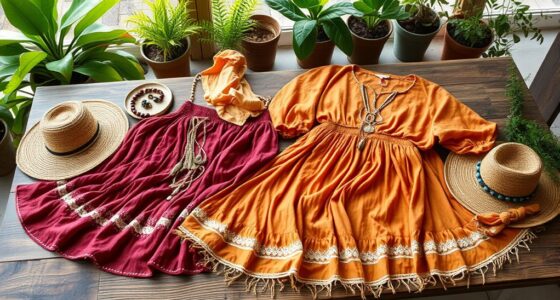
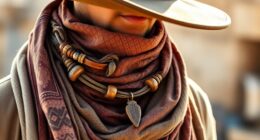
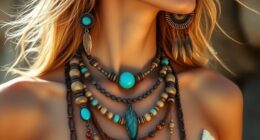
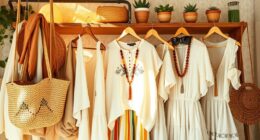
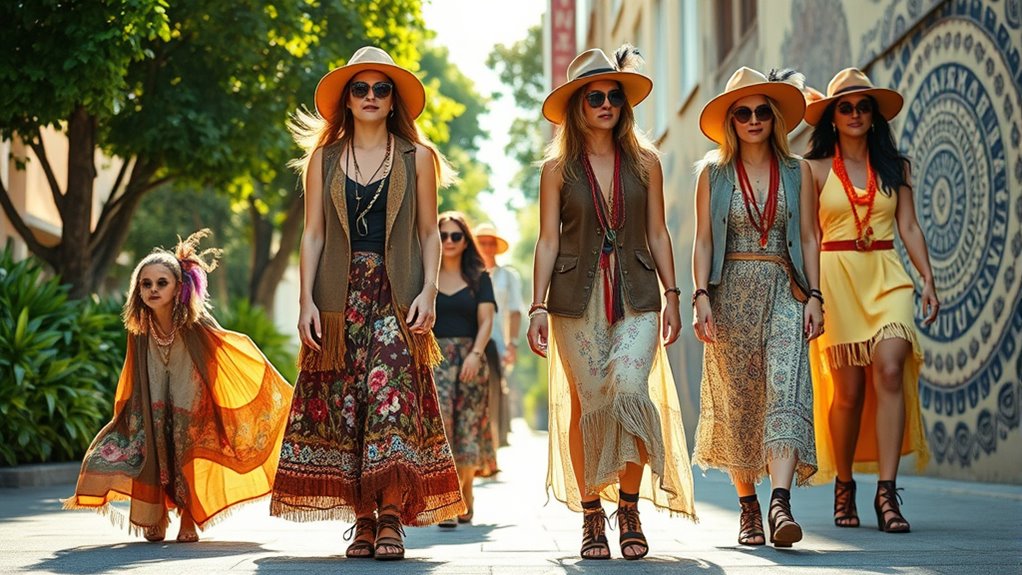
Have you ever wondered where the free-spirited style of boho fashion originated? It all traces back to the hippie movement of the 1960s, a countercultural wave that challenged mainstream norms and embraced peace, love, and individuality. During this era, young people rejected conventional styles, instead turning to clothing that expressed their desire for freedom and authenticity. Think flowing skirts, embroidered tunics, fringe details, and layered accessories—these were the hallmarks of boho fashion in its early days. But it wasn’t just about aesthetics; it was a statement of cultural influences that celebrated diversity and non-conformity. The hippie movement drew inspiration from various traditions around the world, including Indian, Middle Eastern, and Native American textiles and patterns. These influences helped shape a look that was eclectic, relaxed, and deeply rooted in a desire to connect with different cultures and reject materialism.
As the 1960s progressed, boho fashion became more than just a style; it evolved into a cultural phenomenon that embodied ideals of freedom and self-expression. You’d see people wearing tie-dye shirts, bell-bottom jeans, and handmade jewelry, all reflecting a break from the rigid fashion rules of previous generations. The movement was also heavily influenced by the music scene, with artists like Jimi Hendrix and Janis Joplin sporting looks that combined comfort, creativity, and a rebellious spirit. This era’s cultural influences extended beyond clothing, fostering a sense of community and a desire to live authentically. The hippie movement’s impact was so profound that it laid the foundation for boho fashion to continue evolving.
In the decades that followed, boho style shifted from a rebellious youth movement to a widely embraced aesthetic in mainstream fashion. The 1970s saw the rise of bohemian chic, with designers incorporating elements like paisley prints, crochet, and natural fabrics into their collections. The look became more polished but still retained its core values of individuality and cultural appreciation. Fast forward to today, boho fashion has experienced numerous revivals, blending vintage charm with modern sensibilities. You now see it in everything from high-end runway shows to everyday streetwear, all carrying the legacy of its hippie roots and the diverse cultural influences that continue to inspire it. The journey from the hippie movement to contemporary chic shows how a style rooted in cultural expression and free-spirited ideals has persisted and evolved over time.
Frequently Asked Questions
How Has Boho Fashion Influenced Mainstream Style Trends?
Boho fashion influences mainstream style trends by making boho accessories like layered necklaces and fringe bags popular, and by incorporating boho color palettes—earth tones and vibrant hues—into everyday wear. You often see these elements blending seamlessly into casual and even formal outfits, creating a relaxed yet chic aesthetic. This shift encourages individuality and free-spirited expression, making boho style a timeless source of inspiration for contemporary fashion.
What Are Key Symbols Associated With Boho Fashion?
You’ll notice that key symbols in boho fashion include hippie symbols like peace signs and floral patterns, which express free spirits and love. Ethnic motifs also play a big role, showcasing intricate designs inspired by different cultures. These symbols help convey a laid-back, artistic vibe, making your outfits stand out with meaningful, vintage-inspired details that celebrate individuality and a connection to global traditions.
Which Designers Are Known for Modern Boho Interpretations?
You’ll notice designers like Free People, Anthropologie, and Ulla Johnson excel at modern boho interpretations. They incorporate boho jewelry and boho accessories that blend vintage charm with contemporary style, creating effortlessly chic looks. These designers emphasize relaxed silhouettes, earthy tones, and layered jewelry, helping you achieve that authentic boho vibe. Their collections make it easy to embrace the free-spirited, eclectic essence of boho fashion in today’s wardrobe.
How Has Boho Fashion Evolved Globally Over Decades?
Imagine boho fashion as a river flowing through time, constantly reshaping itself. Over decades, it’s embraced a global journey, blending hippie revival vibes with ethnic fusion influences from diverse cultures. You see this evolution in vibrant textiles, layered accessories, and free-spirited styles. This dynamic movement invites you to explore multicultural expressions, making boho a worldwide symbol of individuality and unity, constantly shifting yet rooted in its eclectic spirit.
What Are Sustainable Practices Within Boho Fashion?
You can embrace sustainable practices within boho fashion by choosing clothing made from recycled materials and prioritizing ethical sourcing. When you shop consciously, you support brands that reduce waste and ensure fair labor conditions. By selecting eco-friendly fabrics and avoiding fast fashion, you help lessen environmental impact. Your mindful choices foster a more sustainable boho style, blending creativity with responsibility, and inspiring others to follow suit.
Conclusion
Now that you know the boho’s bold, beautiful backstory, you can confidently carry its carefree charm. From hippie roots to high-fashion halls, boho’s blend of boisterous bohemia and modern magic remains mesmerizing. Embrace its eclectic essence, experiment endlessly, and express yourself effortlessly. Because, ultimately, boho isn’t just a fashion trend — it’s a fearless fusion of freedom, fun, and flair that you can wear your way, wherever you wander.