
TL;DR

Get your wardrobe favorites delivered free with Prime
- Fast, free delivery on millions of items
- Prime Video, Amazon Music and more included
- Member-only deals all year
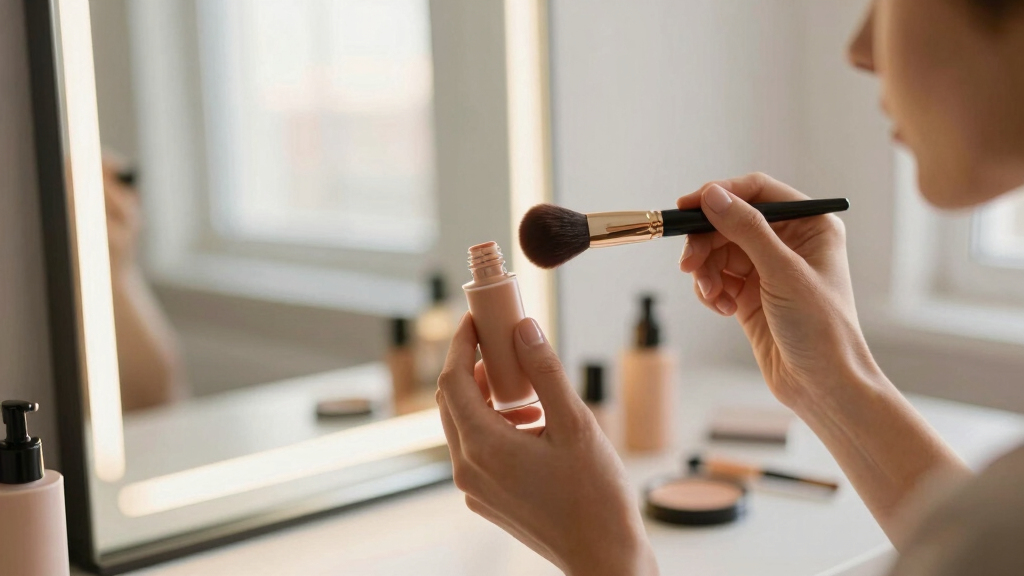
Beauty brands are increasingly releasing high-quality, affordable dupes of luxury products, marking the start of a ‘superdupe’ era. This trend makes premium-looking beauty accessible to more consumers, but the long-term impact remains uncertain.
Several major beauty brands have introduced a new wave of products widely regarded as ‘superdupes’—affordable alternatives that closely resemble high-end luxury items. This shift is reshaping consumer expectations and industry standards, making premium-looking beauty more accessible to a broader audience.
According to industry analysts, the ‘superdupe’ trend involves brands developing products that mimic the packaging, texture, and performance of luxury cosmetics at significantly lower prices. Companies like e.l.f. Cosmetics, ColourPop, and Revolution Beauty have launched lines that closely resemble high-end brands such as Dior, Chanel, and Pat McGrath, often at a fraction of the cost. For example, e.l.f.’s new foundation line has been compared favorably to Dior’s popular foundation, with many consumers noting similar finish and longevity. This trend appears to be driven by consumer demand for quality at affordable prices, as well as a competitive response to the dominance of luxury brands in the beauty market. While some industry insiders see this as an evolution of the ‘drugstore’ or ‘budget’ makeup movement, others describe it as a ‘superdupe’ era—where the resemblance to luxury products is more precise than ever.Why the ‘Superdupe’ Trend Reshapes the Beauty Market
This development democratizes access to high-quality beauty products, potentially disrupting traditional luxury brands’ market share. It also encourages innovation among affordable brands, which now compete more directly with premium labels. For consumers, this means more options and better value, but it also raises questions about originality, brand integrity, and intellectual property. Industry experts suggest that if the trend continues, it could lead to a reevaluation of what constitutes luxury and authenticity in beauty products, influencing marketing, branding, and product development strategies across the sector.As an affiliate, we earn on qualifying purchases.
Evolution of Dupes and Consumer Demand for Value
Historically, dupes have been a staple in the beauty industry, with brands creating cheaper alternatives to luxury products for decades. However, recent launches demonstrate a shift toward near-identical reproductions that mimic high-end aesthetics and performance more closely than before. This trend aligns with broader consumer preferences for value-driven purchasing, especially among younger demographics who seek luxury looks without the luxury price tags. The rise of social media platforms like TikTok and Instagram has accelerated this movement, with influencers frequently showcasing affordable dupes that rival expensive brands. Industry insiders note that the ‘superdupe’ era is a response to both consumer desire for affordability and brands’ willingness to innovate in packaging and formulation to stand out in a crowded market.“Brands are now investing heavily in R&D to create products that look and feel like luxury items, but at a much lower cost. It’s a strategic move to capture a broader market.”
— Lara Chen, founder of Beauty Trends Insights
Long-Term Impact of the ‘Superdupe’ Movement on Brand Loyalty
It is not yet clear whether this trend will lead to sustained shifts in consumer loyalty or if luxury brands will adapt by further differentiating their products. Some experts warn that if the quality gap narrows too much, it could undermine the perceived value of high-end brands, but others believe luxury brands will continue to differentiate through exclusivity and innovation. The potential for legal challenges over imitation remains an open question, as some companies are scrutinizing the line between inspiration and infringement.Future Developments in Affordable Luxury Beauty Products
Industry analysts expect more brands to launch ‘superdupes’ in the coming months, with increased marketing efforts emphasizing quality and similarity to luxury products. Regulatory scrutiny over imitation practices may also intensify, and some luxury brands are reportedly exploring legal avenues to protect their formulations and packaging. Consumers will likely see a broader range of options, with some brands pushing further into the ‘superdupe’ space or even collaborating with luxury brands for official lines. Monitoring how this impacts brand loyalty and market dynamics will be key over the next year.Key Questions
What defines a ‘superdupe’ in the beauty industry?
A ‘superdupe’ is a product that closely mimics the appearance, texture, and performance of a luxury beauty item but is offered at a significantly lower price point. These products often resemble high-end brands in packaging and formulation, making them appealing to consumers seeking luxury aesthetics without the high cost.
Are ‘superdupes’ legally protected from imitation?
Legal protection varies. Some brands are scrutinizing the line between inspiration and infringement, and there have been instances of legal action over packaging and formulation copying. However, many ‘superdupes’ operate in a gray area, often relying on differences in branding and design to avoid infringement.
Will ‘superdupes’ replace luxury brands?
It is unlikely that ‘superdupes’ will fully replace luxury brands, as the latter often rely on exclusivity, innovation, and brand prestige. However, they are reshaping the market by offering high-quality alternatives that appeal to a broader audience.
How do consumers perceive ‘superdupes’ compared to original luxury products?
Many consumers appreciate the affordability and comparable quality of ‘superdupes,’ especially younger demographics active on social media. However, some still value the prestige and perceived exclusivity of authentic luxury brands.
What impact might this trend have on the future of luxury beauty brands?
Luxury brands may respond by further differentiating their products through innovation, limited editions, or enhanced branding efforts. Some may also explore collaborations or legal protections to safeguard their formulations and packaging.
Source: rss
Fall Picks
fall essentials
As an affiliate, we earn on qualifying purchases.