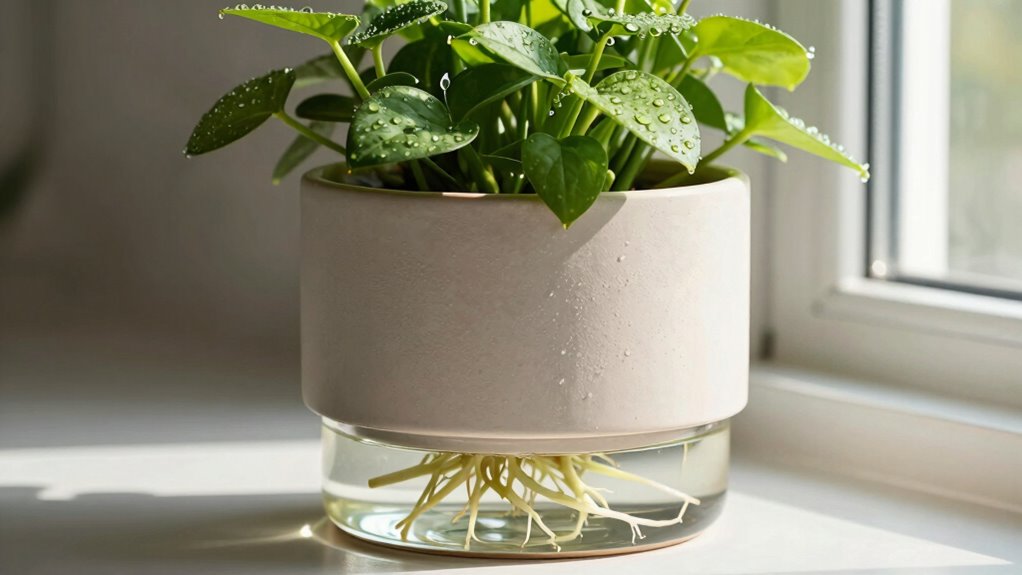

To keep your plants thriving in self-watering planters, you should monitor the water reservoir regularly and refill it as needed, especially during hot weather or if you’re away. Set a consistent schedule to check moisture levels and replenish water before they run dry. Choose the right materials and adjust water levels based on plant needs. Continuing with these steps can help you master the ideal watering routine for healthy, vibrant plants.

Get your wardrobe favorites delivered free with Prime
- Fast, free delivery on millions of items
- Prime Video, Amazon Music and more included
- Member-only deals all year
Key Takeaways
- Regularly check the reservoir water level and refill as needed, especially during hot weather or when away.
- Establish a consistent watering schedule based on plant type, environmental conditions, and planter material.
- Adjust water levels to prevent overwatering or drought stress, monitoring plant health regularly.
- Use the planter’s wick system to supply water gradually, ensuring steady moisture for optimal growth.
- Combine proper maintenance and material choice to keep the self-watering system effective and plants thriving.
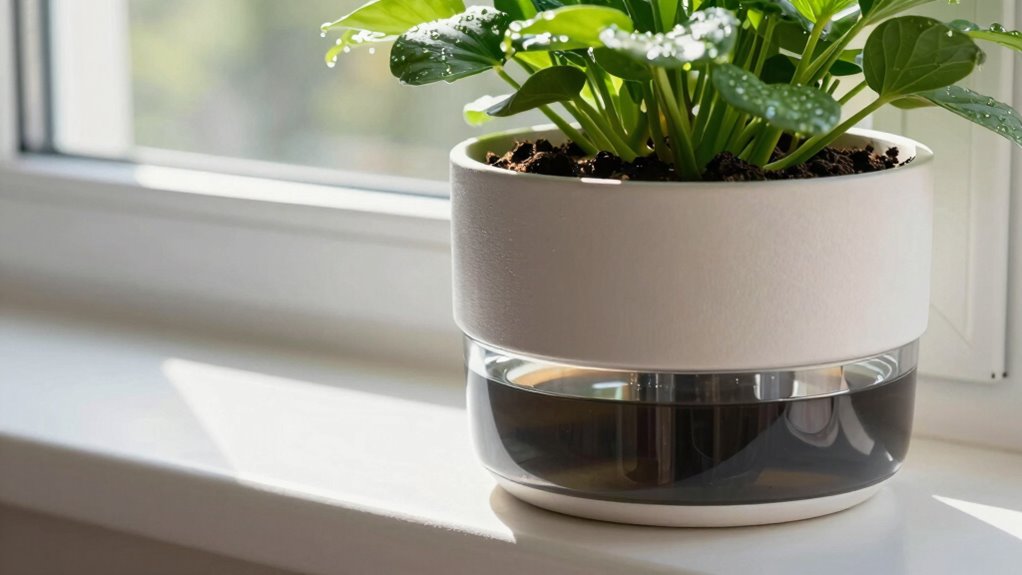
Self-watering planters are a smart solution for maintaining healthy plants with minimal effort. They take the guesswork out of watering, ensuring your plants receive the right amount of moisture consistently. When it comes to choosing the best watering techniques, these planters excel because they are designed to supply water gradually and steadily, preventing overwatering or underwatering. This steady supply is achieved through a clever system of reservoirs and wicks that draw water up as the soil needs it, promoting healthier root development. With a self-watering planter, you don’t have to worry about daily watering routines, especially if you have a busy schedule or travel frequently. Instead, you can set your watering schedule once, and the planter will take care of the rest. Additionally, watering techniques can be optimized by understanding how different materials impact moisture retention and plant health.
The material of your planter plays a significant role in its effectiveness and durability. You’ll find options like plastic, ceramic, metal, and even biodegradable materials, each with its own advantages. Plastic planters are lightweight and affordable, making them easy to move around, and they are generally resistant to cracking and weathering. Ceramic planters, on the other hand, offer a more attractive appearance and better insulation but are heavier and more fragile. Metal planters are durable and modern-looking, though they can heat up quickly in the sun, potentially stressing your plants. Biodegradable planters are eco-friendly and often made from natural materials, making them a good choice if you’re aiming for sustainability. When selecting a planter material, consider the environment where you’ll place it, the weight you’re comfortable handling, and the aesthetic appeal you prefer.
Using the right watering techniques in conjunction with the appropriate planter material maximizes the benefits of a self-watering system. For example, if you choose a ceramic planter, ensure it has adequate drainage to prevent water from stagnating. For plastic or metal planters, check that they have a built-in reservoir and wicking system that suits your plant’s water needs. You should also monitor the water level in the reservoir periodically, especially during hot weather or if you’re away for an extended period. This way, you can refill as necessary, maintaining a consistent moisture level without the risk of root rot or drought stress.
self watering planter reservoir refill
As an affiliate, we earn on qualifying purchases.
As an affiliate, we earn on qualifying purchases.
Frequently Asked Questions
How Often Should I Refill the Water Reservoir?
You should refill the water reservoir when it gets low, which typically depends on your watering schedule and the type of plants. Check the reservoir regularly—at least once a week—and refill as needed to guarantee consistent hydration. During hot or dry periods, you might need to refill more often. Keeping an eye on the water level helps maintain a healthy watering schedule and prevents your plants from drying out.
Are Self-Watering Planters Suitable for All Plant Types?
Self-watering planters aren’t suitable for all plant types, as plant compatibility varies. You should consider each plant’s watering frequency needs and whether it prefers moist or drier soil. For example, succulents may not thrive in these planters due to excess moisture, while tropical plants often do well. Always research your specific plant’s requirements to guarantee it benefits from the self-watering system and adjust watering accordingly.
Can These Planters Prevent Overwatering and Root Rot?
Think of self-watering planters as a safety net, catching excess water before it harms your plants. They can prevent overwatering and root rot if you choose the right size and design for your plant’s needs. Proper drainage issues are minimized, but plant compatibility matters—fussy plants may still need manual watering. Overall, they help maintain balanced moisture levels, protecting your plants from water-related problems.
What Size Planter Is Best for Small Indoor Plants?
For small indoor plants, opt for a planter that’s 4 to 6 inches in diameter. Consider plant size considerations and your indoor space planning to guarantee the planter isn’t too bulky, allowing your plant room to grow. A manageable size helps prevent overwatering and root rot, especially with self-watering planters. This size strikes a good balance between providing enough space for roots and fitting comfortably in your designated indoor area.
How Do I Clean and Maintain the Watering System?
To keep your self-watering system working well, follow a regular cleaning schedule—typically once a month. Start by disconnecting the water reservoir, then clean the nozzle and filter with a soft brush or cloth. Check for clogs or buildup, and replace any damaged parts. Maintenance tips include using mild soap and water, avoiding harsh chemicals, and inspecting the system regularly to make certain proper water flow and prevent mold or algae growth.
Conclusion
Think of your self-watering planter as a loyal gardener, quietly tending to your plants’ needs day and night. Just like a gentle river nourishes its banks, this planter ensures your greenery stays vibrant and healthy without constant effort. When you trust in its steady flow, your plants flourish as if under a caring hand. Embrace this simple rhythm, and watch your garden bloom with ease—proof that harmony between you and nature is just a schedule away.
Fall Picks
fall essentials
As an affiliate, we earn on qualifying purchases.